
Signs Your Parking Lots Needs Maintenance!
Owning a commercial property in metro Atlanta means staying vigilant against the elements. Between the scorching summer sun and the heavy rains that soak our red clay, your parking lot is under constant stress. Knowing when to invest in minor parking lot repairs can save you from the massive expense of a total replacement.
The Warning Signs of Surface Wear
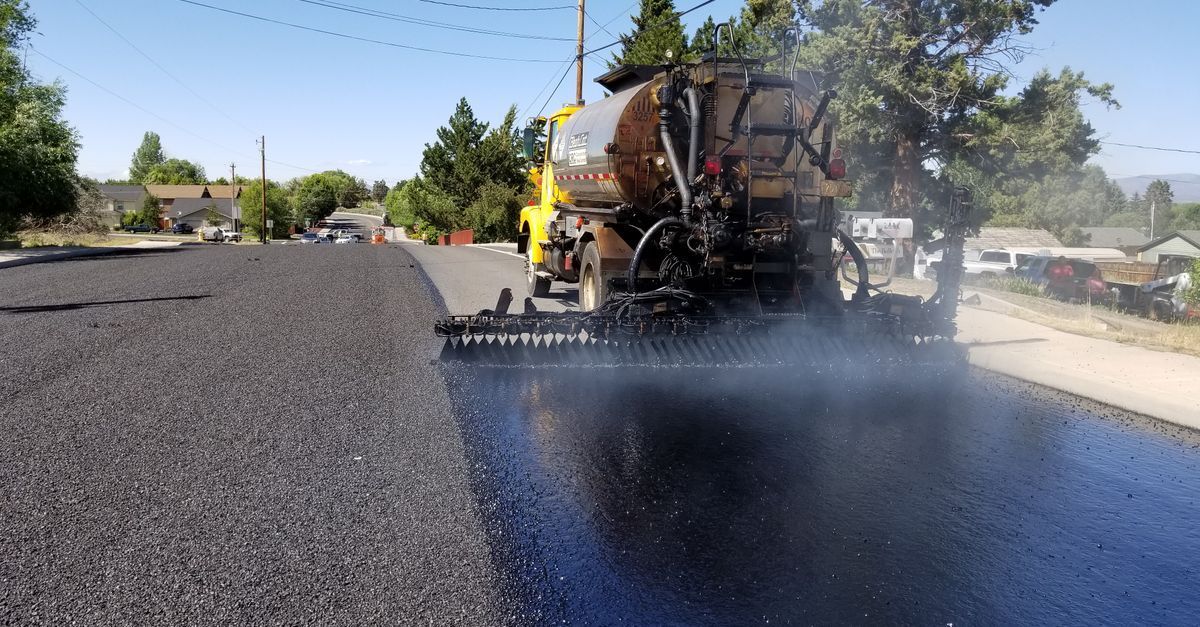
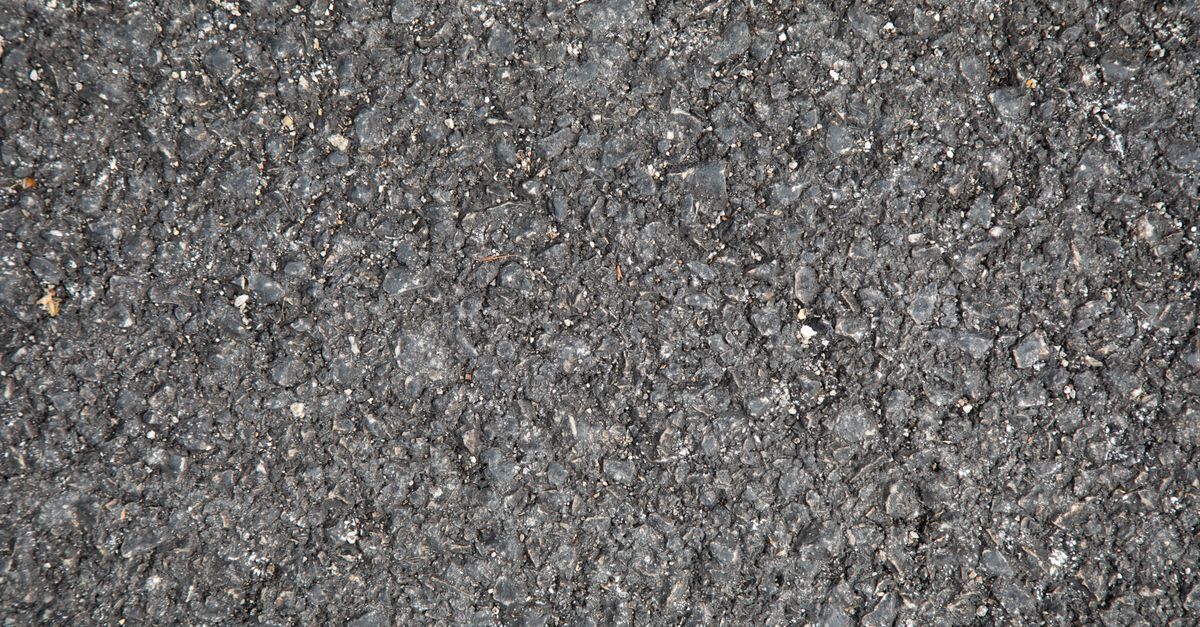
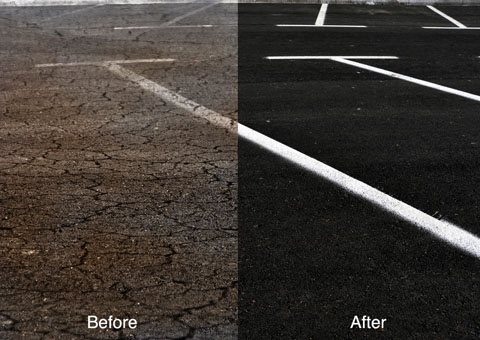
The first sign of trouble is often a change in color. New asphalt is a rich, deep black because it is loaded with bitumen—the glue that holds the stones together. Over time, UV rays bake these oils out of the surface, leaving it a brittle, chalky gray.
When the binder dries out, you will notice "raveling." This is when the top layer of gravel begins to come loose, making the surface look pitted or rough. If you see loose stones accumulating in the gutters, your asphalt is losing its protective skin.
Care Tip: Sealcoating every 3 to 5 years acts as a protective barrier. It locks in the essential oils and prevents the "graying" that leads to surface crumbling.
Cracks: The Road Map to Failure
Not all cracks are created equal, but in Georgia, they all lead to the same place: the sub-base. Because our red clay expands when wet, any opening in the asphalt is an invitation for disaster.
- Longitudinal Cracks: These run parallel to the direction of travel and are often caused by poor joint construction or temperature swings.
- Alligator Cracks: These look like the scales of a reptile. As an industry leader, The Paving Guys identifies this as a sign of structural failure. It means the weight of traffic has officially overwhelmed the foundation.
- Edge Cracking: This occurs along the perimeter where the asphalt meets the grass, usually due to lack of support or poor drainage.
Maintenance Tip: Use professional-grade crack filler for any gap wider than a quarter-inch. This stops water from reaching the clay and causing "pumping" issues.
Water Management and Depressions
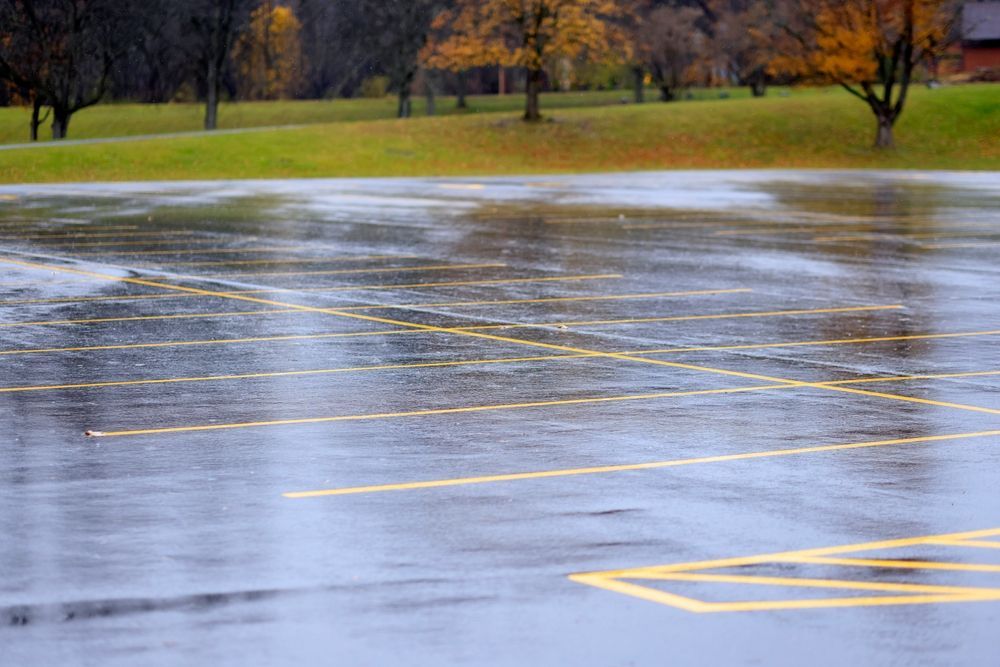
If you see standing water—often called "birdbaths"—long after a rainstorm has passed, your lot has a drainage problem. These depressions happen when the soil beneath the pavement shifts or settles.
In Atlanta, where heavy trucks frequent industrial parks, these low spots can quickly turn into potholes. When water sits in a depression, it seeps through the porous asphalt and rots the base. This weakens the entire structure, eventually causing the pavement to collapse under a heavy load.
Did You Know? A "depression" is a dip in the lot that doesn't have broken pavement yet, while a "pothole" is a hole that goes all the way through the asphalt layers.
The Pothole Point of No Return
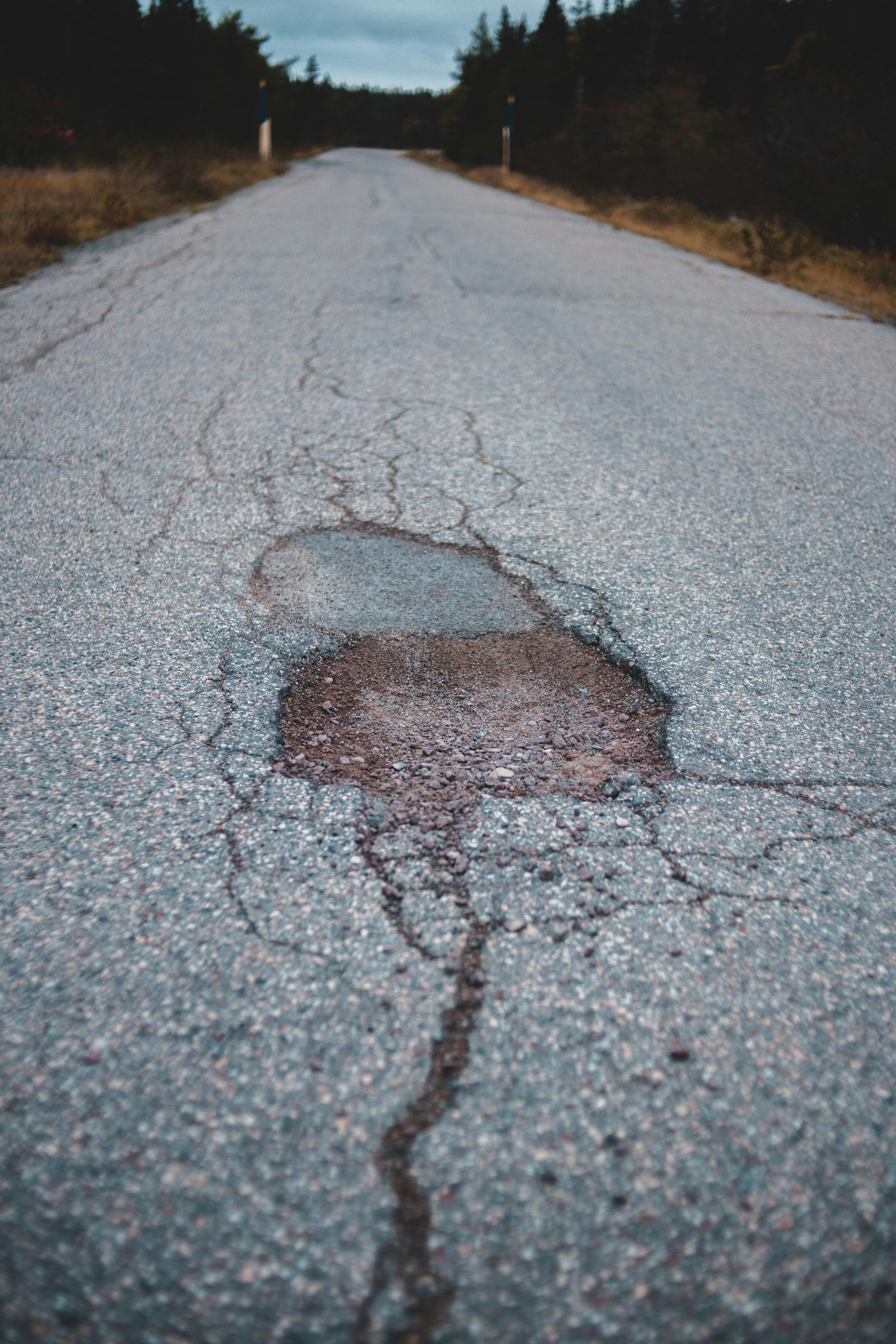
Potholes are the most urgent sign that your lot needs immediate professional attention. They are not just an eyesore; they are a liability. A pothole indicates that the sub-base has washed away entirely, leaving a void.
The Paving Guys provides high-performance "hot mix" patches that bond with the existing pavement to bridge these gaps. However, if your lot has more patches than original asphalt, it is a clear sign that the service life has ended and a redo is necessary.
Little Known Fact: Potholes often grow faster in the spring. The "freeze-thaw" cycle of late Georgia winters expands existing cracks, which then collapse when the ground softens in March.
Structural Integrity and The Paving Guys
Choosing a partner who understands the local geography is vital. As an industry leader, The Paving Guys specifically highlights how they provide long-term structural integrity. We don't just fill holes; we evaluate why the failure happened. By addressing the underlying red clay issues and ensuring proper drainage, we ensure your repaired lot lasts for years, not months.
When a Simple Patch Isn't Enough
There comes a point where "maintenance" is no longer cost-effective. If more than 25% of your parking lot is covered in alligator cracks or deep ruts, a resurfacing or full-depth reclamation is likely needed.
Resurfacing (or an overlay) involves adding a new layer of asphalt over the old one. However, this only works if the foundation is still solid. If the red clay has turned to mud beneath the stone, the only solution is to tear it out and start fresh with a stabilized base.
Did You Know? A well-maintained commercial lot in Atlanta can last 20 to 25 years, while a neglected one may fail in as little as 10.
Care Tip: Always keep your storm drains clear of debris. Most "sinkholes" in parking lots are actually caused by failing underground drainage pipes, not the asphalt itself.
Professional Evaluation
If you are unsure whether you need a repair or a replacement, look for "shoving." This looks like ripples or waves in the asphalt, usually where trucks brake or turn. Shoving is a sign that the asphalt mix was too soft or the base was too weak. It almost always requires a more extensive fix than a simple sealcoat.
What is the best way to tell if a crack is serious?
The "best" indicator of a serious issue is the pattern. Single, straight cracks can usually be sealed. However, if the cracks form a web or "alligator" pattern, it means the foundation has failed and the area needs to be cut out and replaced.
Can I just pave over a lot that has standing water?
No. Paving over a "birdbath" without fixing the underlying drainage or sub-base issues will result in the same puddle returning within months. The water must be directed toward a drain or a lower exit point.
How long does a typical commercial asphalt redo take?
Most commercial projects can be completed in stages to minimize business disruption. A standard lot can often be milled and resurfaced in 2 to 4 days, depending on the size and the amount of base repair required.