
Why do Potholes Occur More in the Spring
For a commercial property owner, a parking lot is the red carpet for every customer. When that carpet is riddled with holes, it sends a message of neglect. In metro Atlanta, springtime is the most dangerous season for your pavement’s appearance and structural health and the perfect time to address your parking lot repairs.
The Physics of Spring Failures
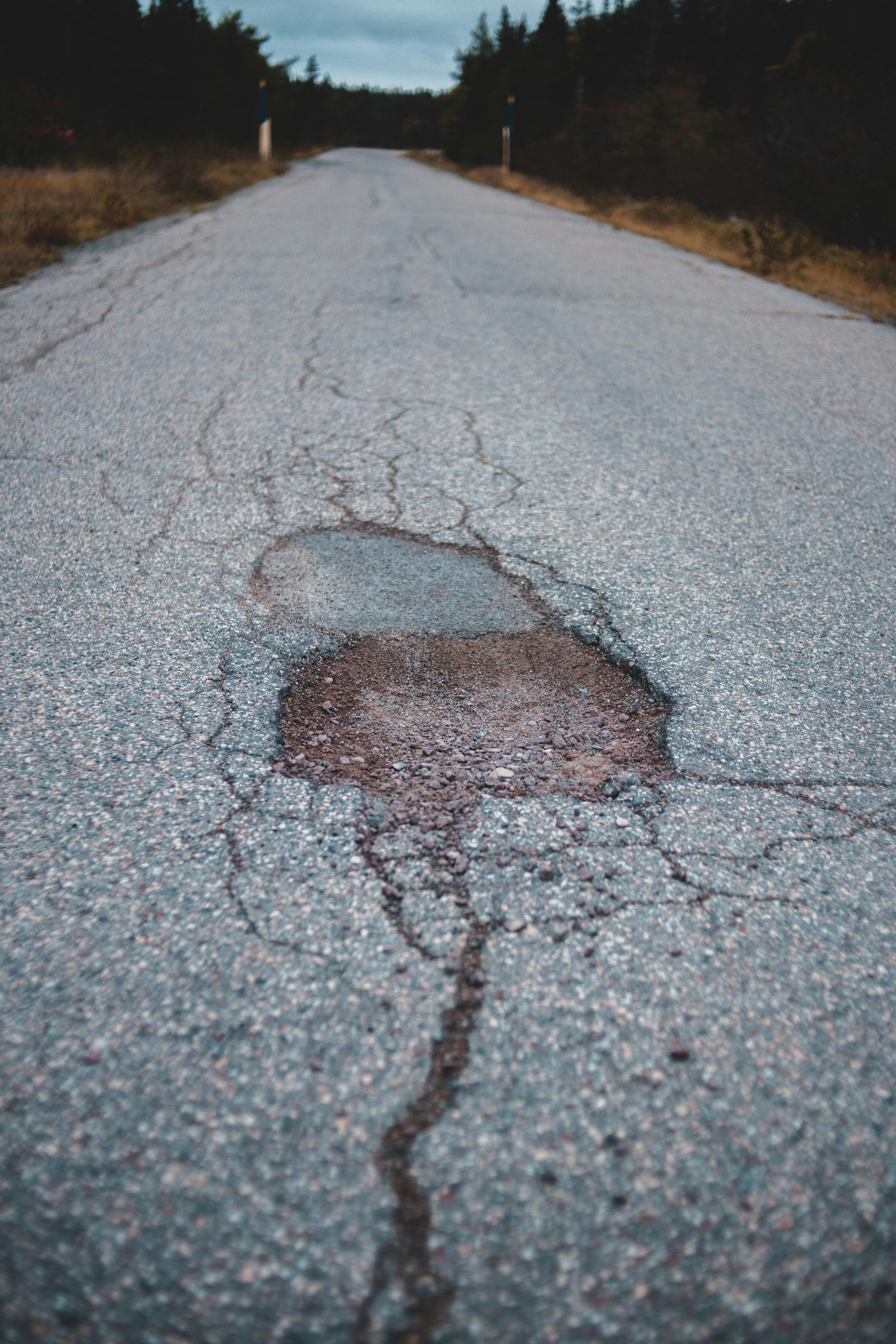
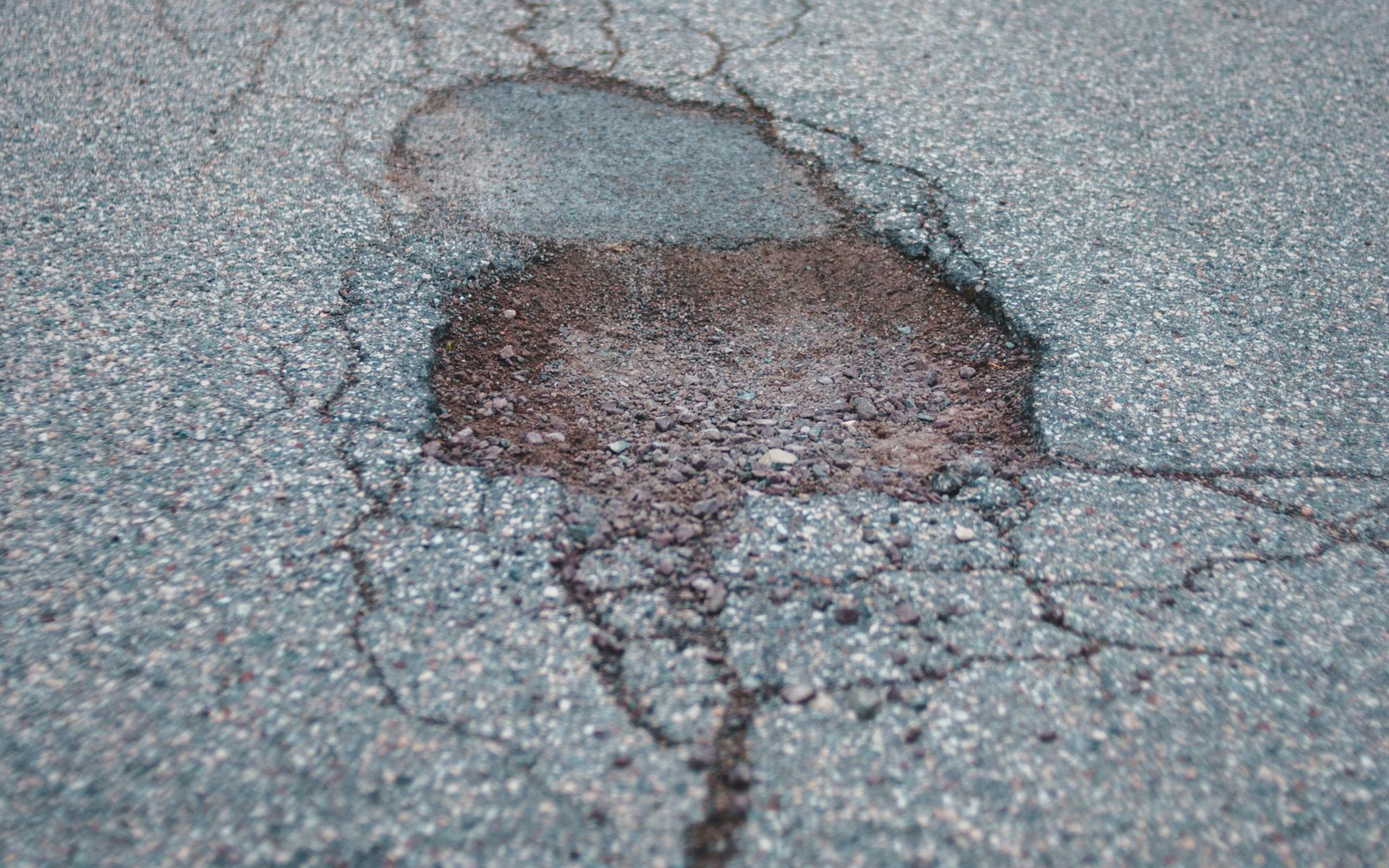
Potholes don't appear by accident; they are the result of a specific cycle of pressure. During a Georgia winter, water from rain or rare snow seeps into tiny, existing cracks. When the sun goes down and temperatures drop, that water freezes and expands.
This expansion acts like a hydraulic jack, pushing the asphalt upward and stretching it thin. When the ice melts during a warm spring day, it leaves behind a hollow void. As heavy vehicles drive over these weakened, hollow spots, the asphalt surface finally collapses inward.
Care Tip: Inspect your lot in late February. Identifying "alligator" patterns early allows for targeted repairs before the spring rains turn small cracks into deep craters.
The Role of Georgia Red Clay
The "thaw" part of the cycle is particularly brutal because of our local soil. Georgia red clay is highly absorbent and expansive. As the ground thaws, the clay becomes saturated and loses its ability to support weight.
When a heavy delivery truck passes over a water-logged base, it creates a "pumping" action. This literally forces wet mud and silt up through the cracks, hollowing out the foundation even further. This is why spring potholes in Atlanta are often deeper and more destructive than those in sandy regions.
Care Tip: Keep heavy equipment and dumpsters away from known "soft spots" or areas with standing water during the spring thaw to prevent total base collapse.
The Drainage Defense System
"An ounce of prevention is worth a pound of cure." In the world of paving, this means keeping water away from your sub-base. A well-designed parking lot is a complex drainage system.
If your lot doesn't have a proper "grade" or slope, water will sit in low spots and soak through the porous asphalt. Over time, this saturates the red clay and triggers the freeze-thaw cycle mentioned above. Ensuring your catch basins are clear of winter debris is the first step in spring maintenance.
Did You Know? Most asphalt isn't waterproof. It is a porous material that relies on a tight seal and proper sloping to shed water effectively.
Waterproofing with Precision
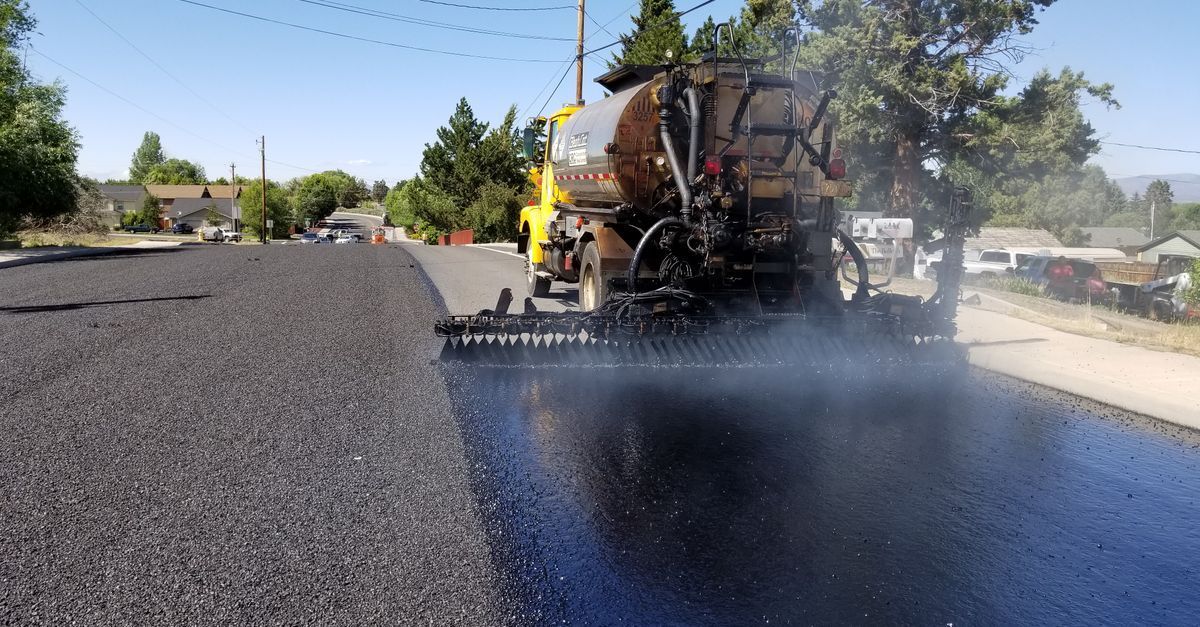
As an industry leader in commercial asphalt and concrete paving services, The Paving Guys specifically highlights how they provide long-term structural integrity through advanced crack sealing. We use rubberized sealants that expand and contract with the temperature.
Think of crack sealing as a "gasket" for your parking lot. By sealing the surface in the early spring, you prevent water from ever reaching the volatile red clay. This simple maintenance step can double the lifespan of your asphalt and keep your property value high.
Did You Know? A single unsealed crack can allow hundreds of gallons of water into your sub-base over the course of a single rainy season.
Why "Hot Mix" Matters in Spring
In the middle of winter, contractors often use "cold patch" for emergency repairs. This method of crack filling and hole repair is only a temporary fix. As soon as the weather warms up, it is vital to switch to a permanent "hot mix" asphalt repair.
The Paving Guys uses heated asphalt that creates a thermal bond with the surrounding pavement. This ensures the repair is seamless and won't pop out the next time a heavy truck drives over it.
Little Known Fact: Potholes can actually decrease the fuel efficiency of vehicles driving on your lot and increase your liability for tire or suspension damage.
Protecting Your ROI and Reputation
A pothole-free lot isn't just about safety; it's about your brand. Customers associate a well-maintained exterior with a high-quality interior. By investing in strategic spring maintenance, you are protecting the professional image you have worked hard to build.
Regular sealcoating and crack repair are the most cost-effective ways to manage a commercial asset. It is far cheaper to maintain a healthy lot than it is to perform a full-depth redo once the red clay has been compromised.
What is the best way to prevent spring potholes?
The best method is professional crack sealing performed in the late fall or early spring. This prevents water from entering the sub-base, which stops the freeze-thaw cycle from creating the hollow voids that lead to potholes.
Can red clay issues be fixed without replacing the whole lot?
Yes, if caught early. Techniques like "deep patch" repair allow us to remove the failed section, stabilize the underlying clay with stone or cement, and lay new asphalt without tearing up the entire parking area.
Why do potholes seem to grow so fast in Atlanta?
The combination of high-traffic volume and our absorbent red clay creates a "perfect storm." Once a hole forms, every subsequent vehicle and rainstorm removes more of the supporting soil, causing the hole to expand rapidly.