
Stewardship & Stone: The Church Leader’s Guide to Parking Lot Paving
How your pavement serves your mission and protects your finances.
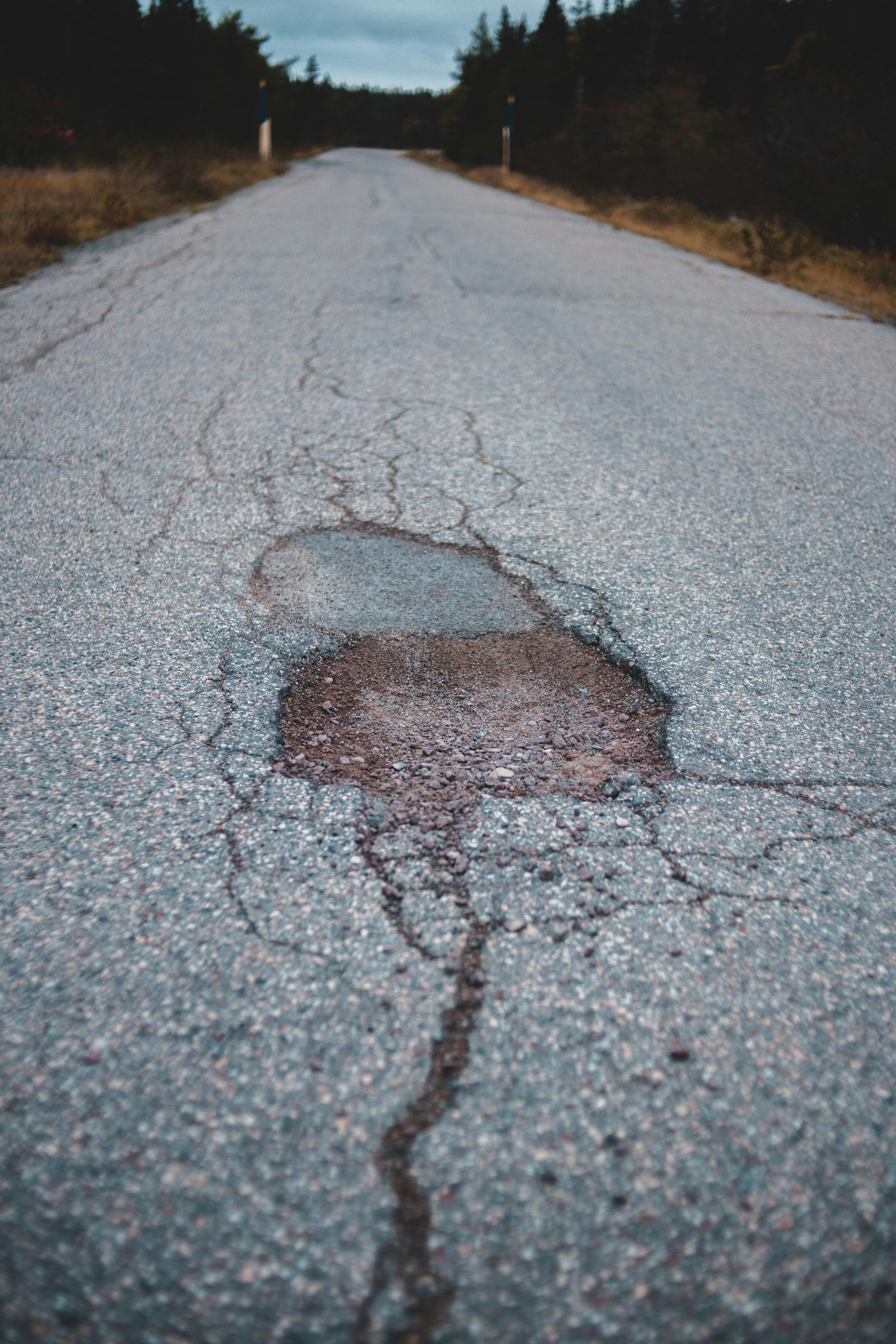
For most guests, their experience with your church doesn't begin in the sanctuary—it begins the moment they turn off the road. A parking lot filled with potholes and fading lines sends a subconscious message of "deferred maintenance" to your community.
In Georgia, church lots face a specific set of challenges: Red Clay, High-Heat UV, and Sporadic Heavy Loading. This guide explains how to manage these effectively to ensure your facility remains a welcoming space.
1. The First Impression Ministry
A well-maintained lot is an act of hospitality. If a visitor has to dodge a deep pothole or cannot find a clearly marked "Guest" spot, they are already distracted before they hear the first note of worship.
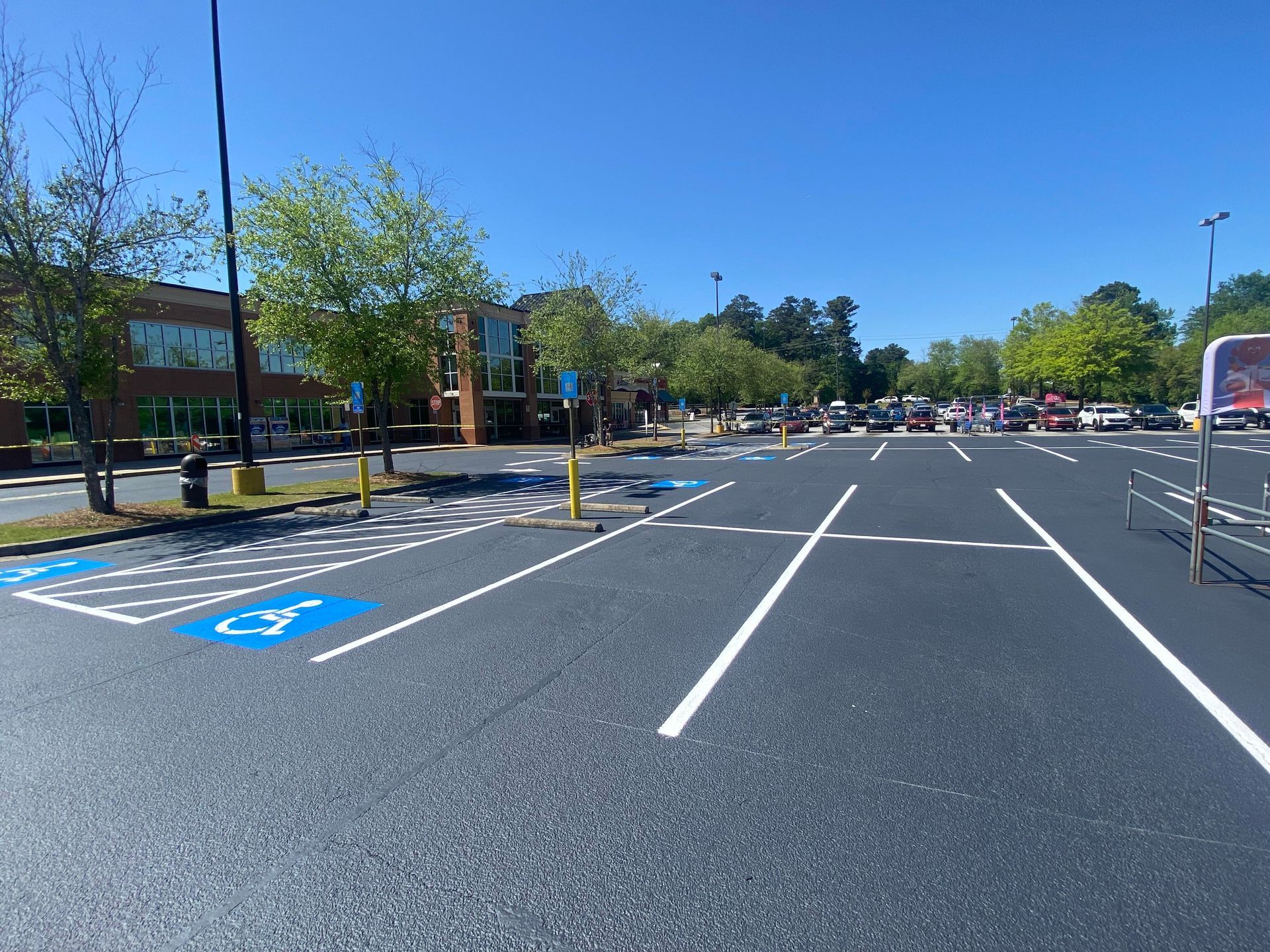
- The 80% Rule: Church growth experts note that when a lot is 80% full, it feels 100% full to a visitor. Proper striping and maximized space utilization are essential for growth.
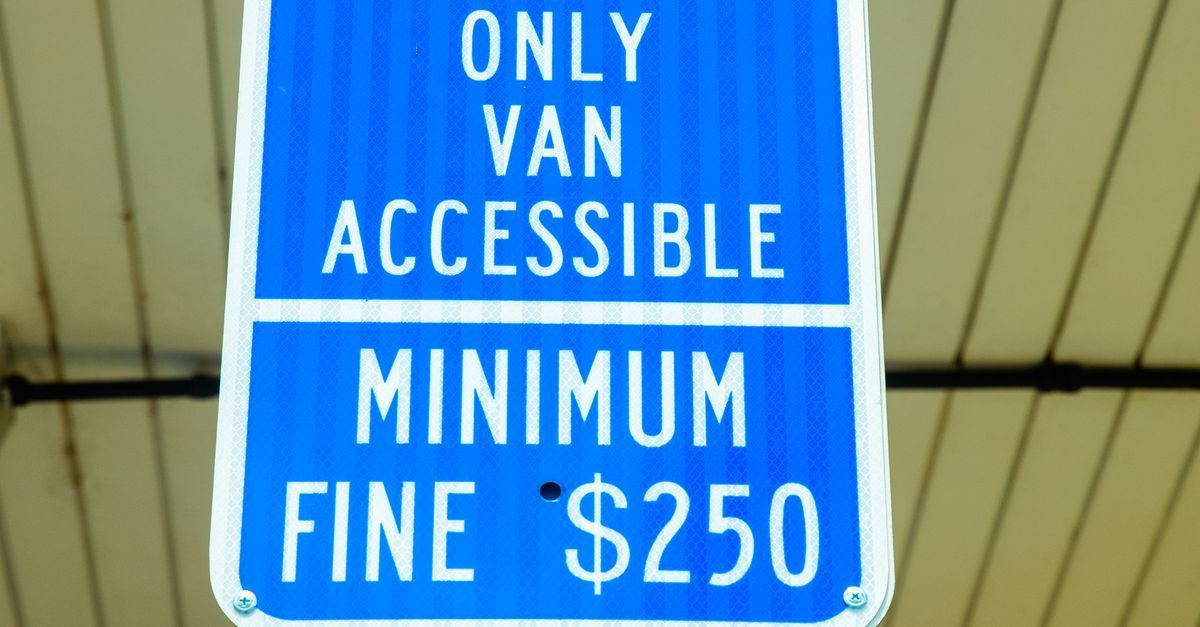
- ADA Compliance: This isn't just about the law; it's about making sure the elderly and those with disabilities feel welcomed and safe from the car to the door.
2. The Sunday Surge and Sub-Base Stress
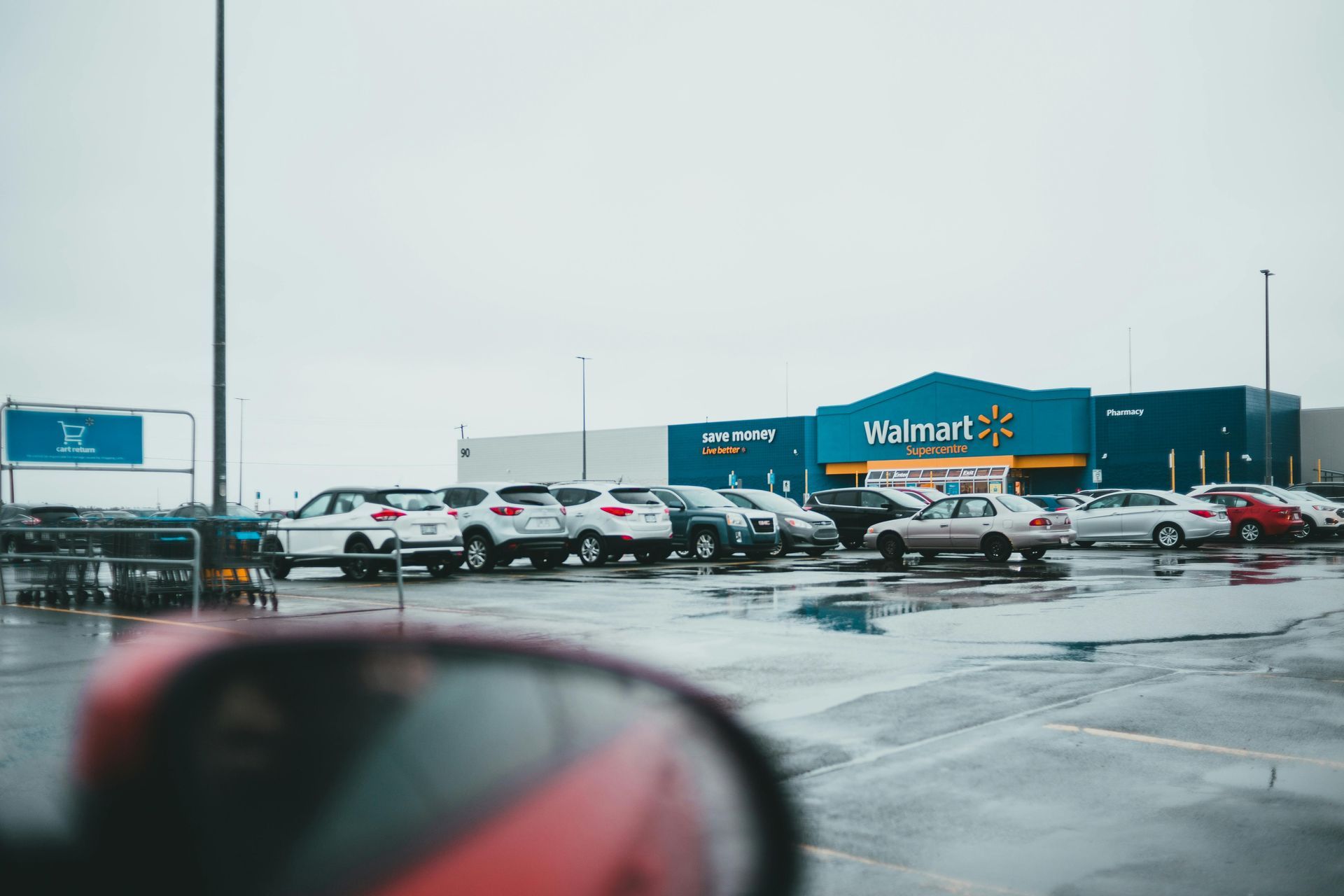
Unlike a retail lot that sees steady traffic, a church lot stays static and then experiences a "surge." When hundreds of cars arrive and depart within a short window, it puts immense pressure on the sub-base.
If the underlying Georgia red clay isn't stabilized, this surge traffic causes the asphalt to flex and crack much faster than a lot with a steady flow. This is why many church lots fail at the entrance and exit points first.
Stewardship Tip: If your lot is over 15 years old, a "deep-tissue" repair of your entrance and main aisles is often more cost-effective than constant surface patching.
3. The Maintenance Calendar
Church budgets are built on stewardship. The most expensive way to manage a lot is to wait until it fails completely.
- Yearly Inspection: After the spring rains, walk the lot to look for "alligatoring" (cracks that look like scales).
- Bi-Yearly Crack Sealing: Keeping water out of the red clay is the primary way to prevent a large replacement bill down the road.
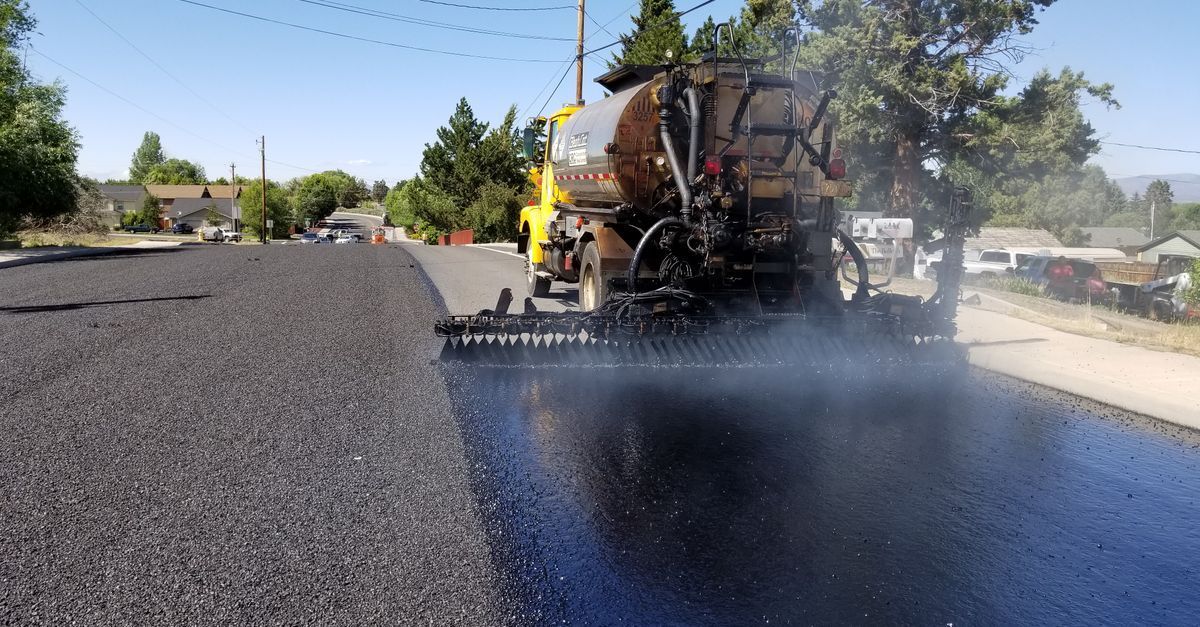
- Every 3 to 5 Years: Apply a high-quality sealcoat. This acts like sunscreen for your asphalt, preventing the Georgia sun from turning your blacktop into brittle gray gravel.
Frequently Asked Questions
We have a limited budget. Should we patch the holes or restripe the lot?
Always prioritize safety and waterproofing. Patching deep holes prevents trip-and-fall liabilities. However, if the surface is structurally sound but looks faded, fresh striping is the most affordable way to refresh your church’s curb appeal and improve guest navigation.
Can we pave over our existing gravel overflow lot?
Only if the base is ready. Many gravel lots are just "rock on mud." To pave it successfully, the sub-base must be compacted and stabilized; otherwise, the new asphalt will sink and crack within the first year.
How long will the lot be closed for repairs?
We understand that churches have mid-week services. Most sealcoating and striping can be completed on a Monday or Tuesday, allowing the lot to be fully cured and ready for mid-week Bible studies or youth events.