
Asphalt vs. Concrete Parking Lots: Which Is Right for Your Business?
It's one of the first questions a property owner asks before a paving project: asphalt or concrete? Both pave a solid, safe lot. But they behave very differently in Georgia's heat, clay, and budget cycles, and the wrong choice can cost you years of headaches.
Here's an honest comparison built for commercial lots in metro Atlanta, covering upfront cost, lifespan, repairs, and the climate factors that tip the decision one way or the other.
The Short Answer for Most Atlanta Businesses
For the majority of commercial parking lots in Georgia, asphalt is the practical choice. It costs less upfront, installs faster, and is far easier to repair when our freeze-thaw swings and red clay go to work on it. Concrete earns its place in specific spots, which we'll get to.
That said, "most" isn't "all." The right answer depends on your traffic, your timeline, and how long you plan to hold the property.
Upfront Cost: Asphalt Wins the First Round
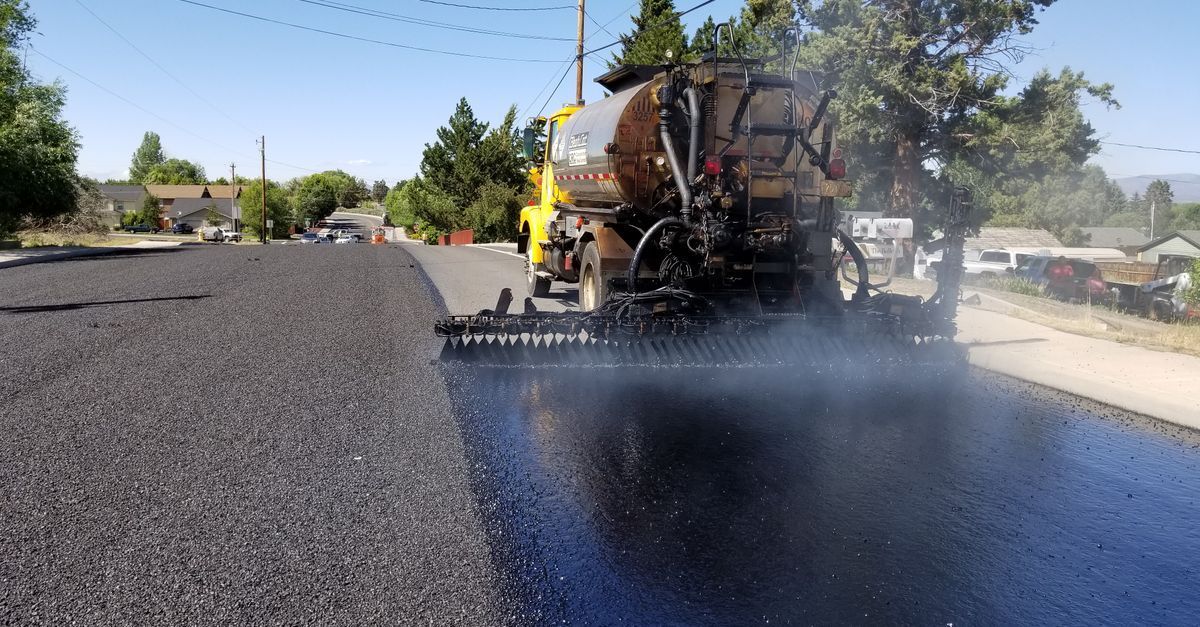
Asphalt typically runs noticeably less per square foot than concrete to install. For a large lot, that difference adds up fast. Asphalt also cures quickly, so you reopen sooner and lose less business during the work.
What you pay per square foot
Concrete carries a higher install price and a longer cure time before traffic can return. If you want a full breakdown of paving numbers, see our guide to what it costs to pave a commercial parking lot in Georgia.
Lifespan and Repairs Over Time
Concrete can last longer than asphalt when it's installed on a stable base and left mostly undisturbed. The catch is that "stable base" part. In Georgia, that's the whole challenge.
How each handles Georgia heat and clay
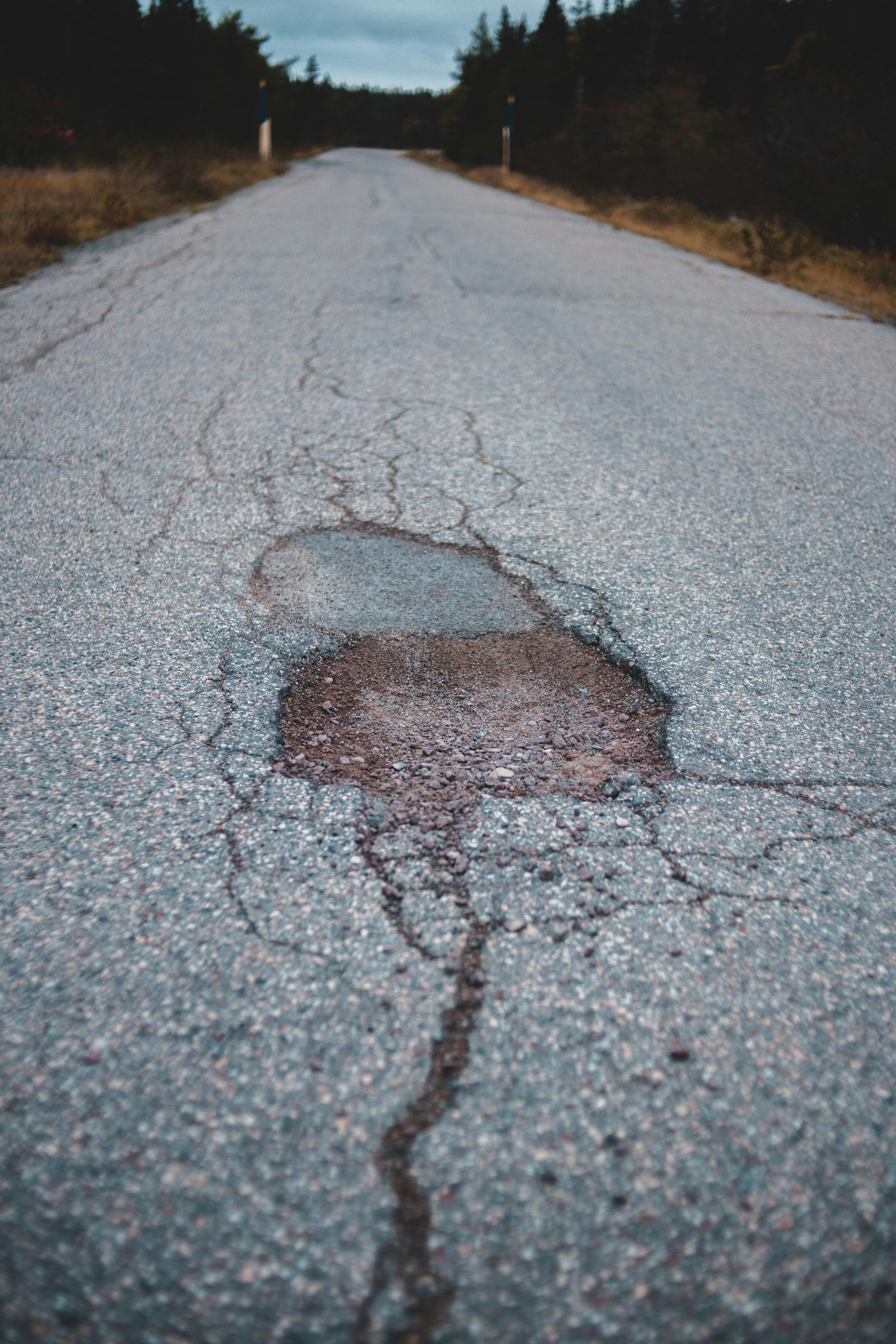
Our red clay swells and shrinks with moisture, and that movement is hard on rigid surfaces. When concrete cracks, repairs are costly and the patch rarely blends in. Asphalt flexes more with ground movement, and when it does crack, a section can be milled and repaved at a reasonable price. We see this firsthand in how Georgia soil drives most pavement failures.
Maintenance: Two Very Different Routines
Asphalt asks for ongoing care: seal coating, crack filling, and the occasional patch. Concrete asks for less day-to-day attention, but when it needs work, the bill is steeper and the repair is more disruptive.
Think of it as small, predictable costs with asphalt versus rare but large costs with concrete. For a business managing a yearly facilities budget, the predictable path is often easier to plan around.
When Concrete Actually Makes Sense
Concrete shines in high-stress zones. Dumpster pads, loading docks, drive-thru lanes, and entrances where heavy trucks turn and idle all benefit from concrete's rigidity. A smart design often mixes both: asphalt across the open lot, concrete at the pressure points.
This hybrid approach gives you asphalt's value where traffic is light and concrete's toughness where it's punishing. It's a common recommendation for retail centers and industrial sites.
Making the Call for Your Lot
The best decision comes from a contractor who reads your specific site, not a one-size answer. As a commercial paving specialist across metro Atlanta, The Paving Guys weighs your soil, traffic, and timeline before recommending a surface, which is why clients trust the plan to fit the property rather than the other way around. For a deeper technical look, our asphalt versus concrete parking lot comparison goes further into the specs.
Laying It All Out
For most Georgia commercial lots, asphalt delivers the better mix of cost, speed, and repairability, with concrete reserved for the high-stress zones that need it. Match the surface to your soil and traffic and you'll get years more out of the investment. Want a recommendation for your property? Schedule a free site walkthrough.
FAQs
What's the best surface for a commercial parking lot in Georgia?
For most Georgia lots, asphalt is the best all-around surface because it costs less, installs fast, and flexes with our red clay instead of cracking against it. Concrete is the better pick for dumpster pads, loading zones, and entrances where heavy trucks concentrate stress.
Can you put asphalt over an old concrete lot?
Sometimes, but it takes the right prep. Existing concrete must be stable, and joints often need treatment so they don't reflect through the new asphalt as cracks. A contractor should inspect the concrete's condition before recommending an overlay versus a full tear-out.