
How Long Before You Can Drive on a Freshly Paved Lot?
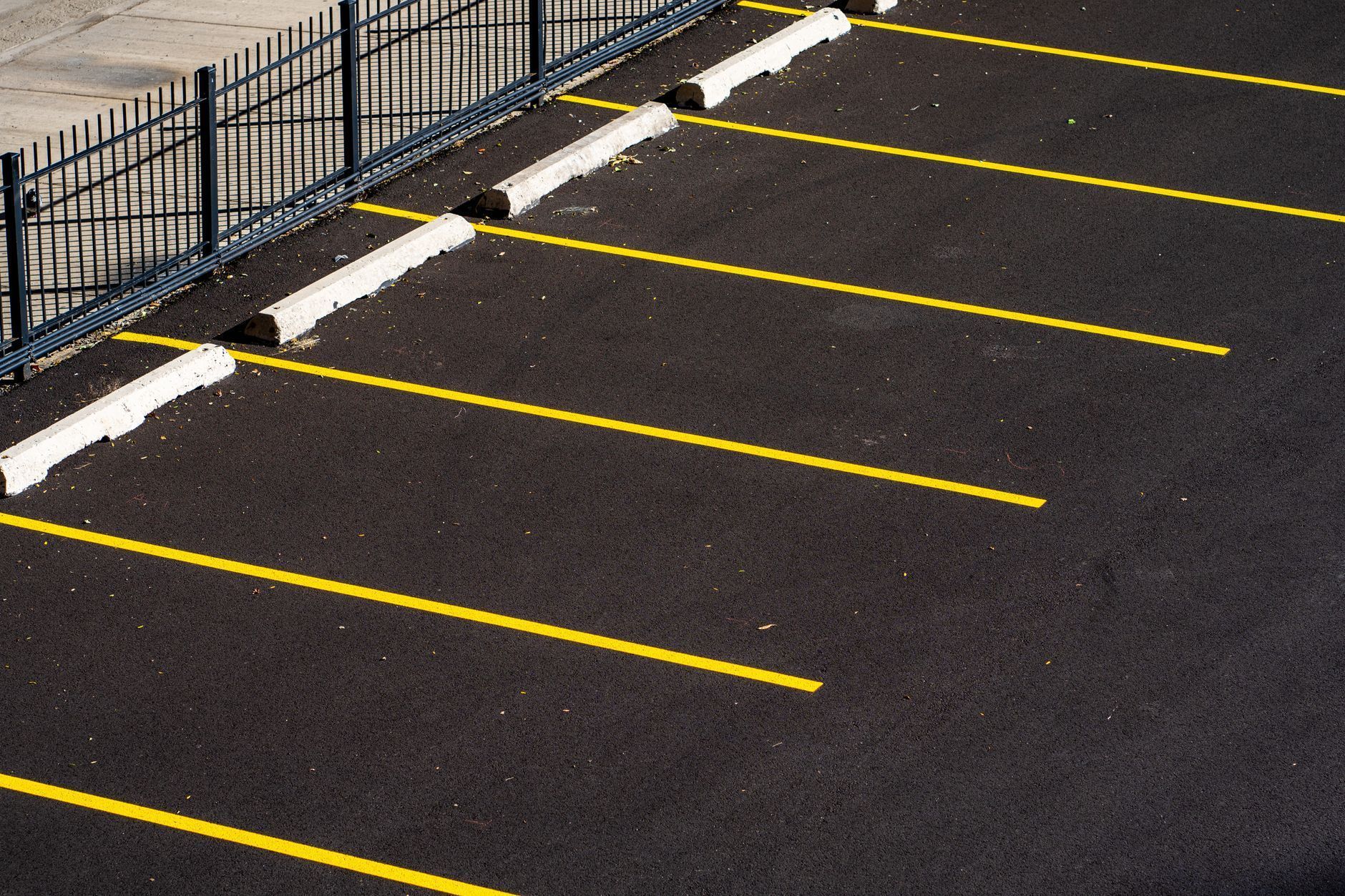
The crew packs up, the lot looks perfect, and the first question is always the same: when can we drive on it? It's a fair question, and the answer matters more than most people realize. Roll heavy traffic onto fresh asphalt too soon and you can dent, rut, or scar a brand-new surface.
Here's how long to wait, why new asphalt needs that time, and how Georgia's heat changes the math.
The Short Version
For most lots, light vehicles can return in about 24 to 72 hours, depending on temperature. Full hardening takes much longer. New asphalt keeps curing for 6 to 12 months as the oils in the mix work their way out.
Heavier vehicles ask for more patience. Box trucks, dumpsters, and loaded trailers should stay off longer than passenger cars, since concentrated weight does the most damage early on. Your contractor will give you exact times for your specific job and weather.
Why New Asphalt Needs Time
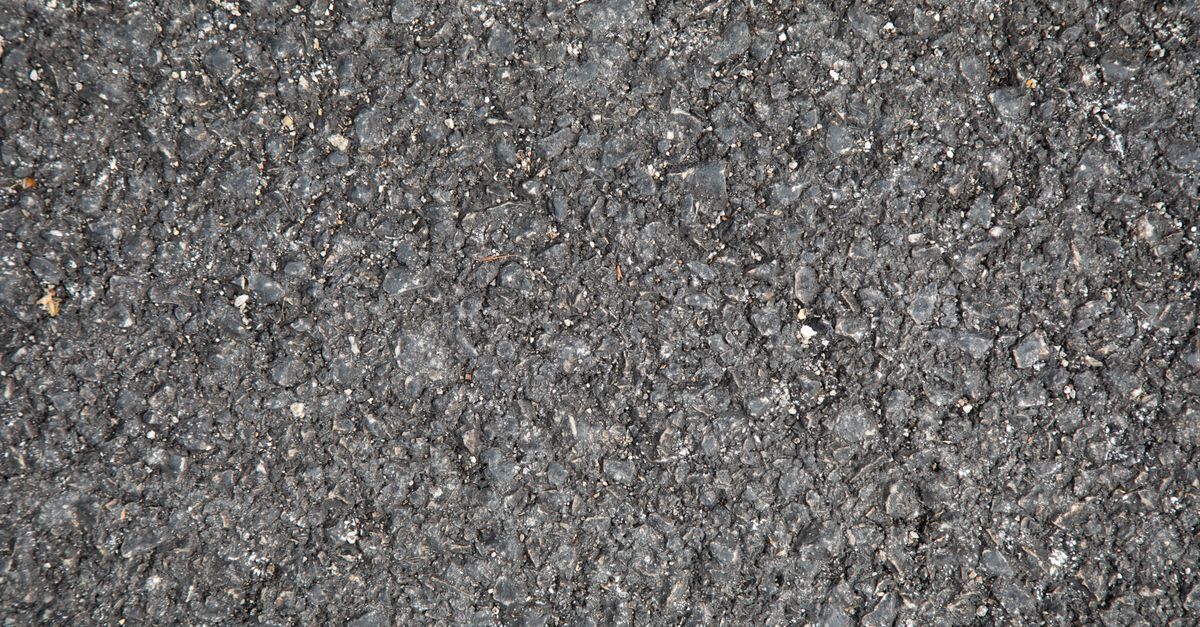
People assume asphalt just needs to dry, like paint. It's a little different. Fresh asphalt has to cure, which means the liquid binders that make it workable have to harden as they cool and oxidize over time.
Curing versus drying
Drying is about surface moisture leaving. Curing is the deeper process of the asphalt firming up all the way through. A lot can feel solid underfoot in a day yet still be soft enough underneath to mark under a heavy load. That's why the early weeks call for a little care.
How Georgia Heat Changes the Timeline
Temperature is the biggest variable, and Georgia summers push it. Heat keeps asphalt softer for longer, so a lot paved in July behaves differently than one paved in October.
Summer paving and soft surfaces
On a 95-degree afternoon, fresh asphalt can stay pliable well into the evening. Power-steering scrubs from cars turning in place, kickstands, and trailer jacks can all leave marks during that window. Cooler months firm things up faster but bring their own scheduling limits.
What to Avoid on Fresh Asphalt
A few habits cause most early damage. Turning the steering wheel while a car sits still grinds the surface. Sharp, fast turns do the same. Point loads like a motorcycle kickstand, a trailer jack, or a heavy dumpster set down on a hot day can press dimples into the new mat.
Edges are the most fragile part of any new lot. Until the base alongside the asphalt settles, ask drivers to keep their tires off the very edge so it doesn't crumble or crack.
Protecting the Investment After It Opens
Once a lot is open and fully cured, the best protection is a seal coat, usually applied somewhere in the first 6 to 12 months and then on a regular cycle. It shields the surface from UV, water, and the oxidation that ages asphalt. Our look at why seal coating is worth the cost covers the timing in detail, and a simple year-round maintenance checklist keeps you on track after that.
As a commercial paving specialist across metro Atlanta, The Paving Guys walks every client through the cure window for their exact job, because a great install can still be undone by traffic returning a day too early. Concrete, by contrast, cures on its own schedule, which we cover in our asphalt vs. concrete comparison.
Patience Pays the Pavement
New asphalt rewards a little restraint. Give light traffic a day or two, hold heavy trucks back longer, and treat the surface gently through its first hot Georgia month. Planning a paving project and want a clear reopening timeline? Get a free assessment and schedule.
FAQs
What's the best way to protect new asphalt while it cures?
The best protection is keeping traffic light and gentle for the first few weeks: no turning wheels while parked, no sharp turns, and no heavy trucks until the contractor clears it. Rotate where vehicles park so no single spot takes constant weight while the surface is still firming up.
How soon can you seal coat a newly paved parking lot?
Most new asphalt should cure before its first seal coat, commonly somewhere in the 6-to-12-month range, so the binders can harden first. Seal too early and you can trap oils and weaken the coat. Your paving contractor can confirm the right window for your lot and climate.