
Parking Lot Maintenance Checklist for Property Managers
A parking lot is one of the few assets on your property that wears out in plain sight, a little more every season. The managers who spend the least on paving aren't lucky. They're the ones who follow a simple maintenance rhythm instead of waiting for a pothole to force their hand.
This is a year-round checklist built for Georgia property managers. Work it season by season and you'll stretch years of extra life out of your asphalt and avoid the repaving bills that catch others off guard.
Why a Maintenance Calendar Beats Crisis Repairs
Small problems on asphalt rarely stay small. A hairline crack lets water reach the base, the base softens, and what was a cheap crack fill becomes a pothole, then a failed section. A calendar interrupts that chain before it starts.
Reactive repairs also tend to hit at the worst time, like a pothole opening right before a busy season. Scheduled upkeep puts you in control of the timing and the budget.
Spring: Inspect and Recover
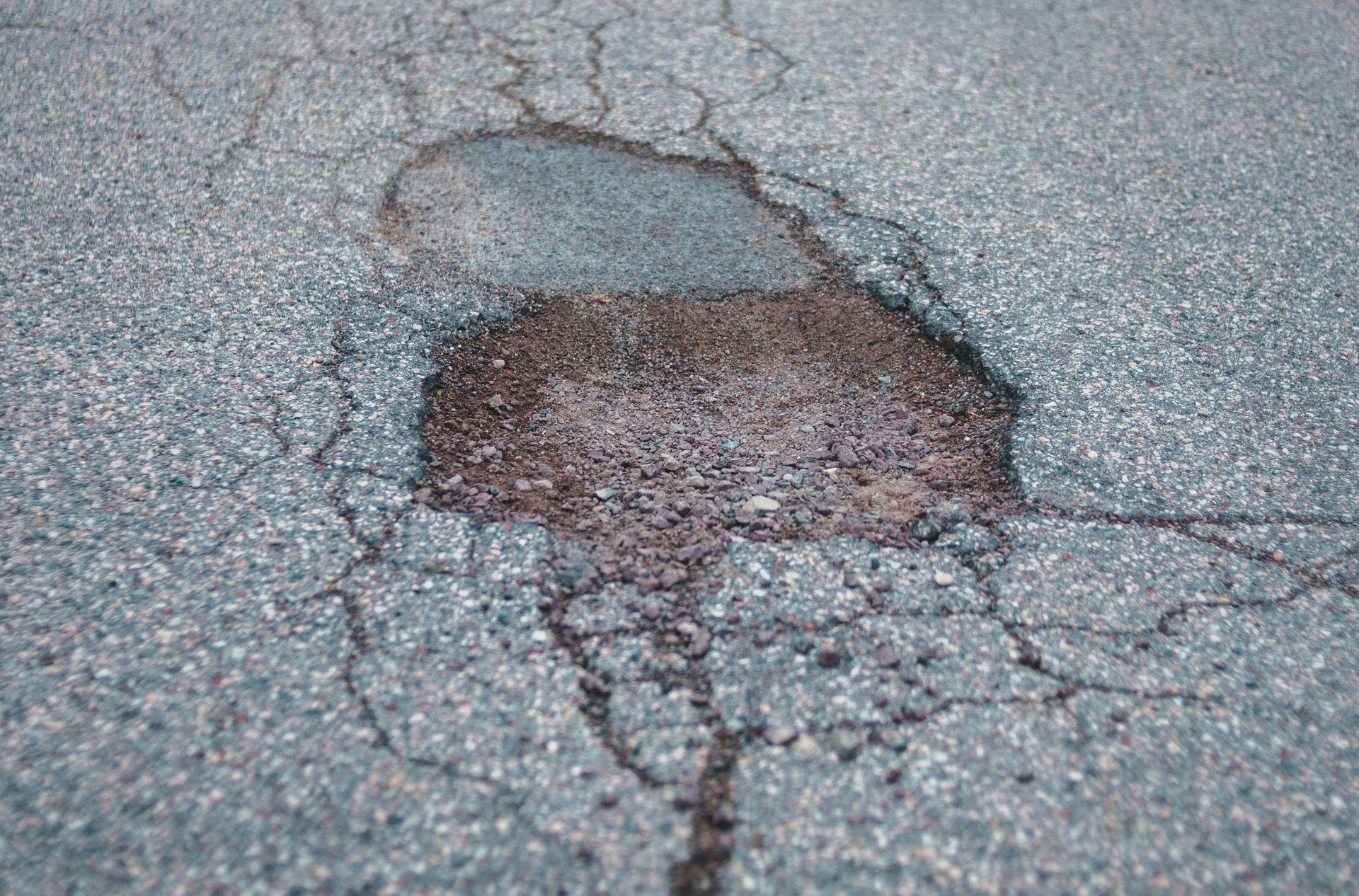
Spring is the most important checkpoint of the year. Winter's freeze-thaw cycles open cracks and birth potholes, so this is when you assess the damage and act. Georgia's wet spring also tests your drainage.
The spring walkthrough
- Walk the full lot and mark every crack, pothole, and soft spot.
- Fill cracks before they widen and patch potholes early.
- Clear catch basins and check that water drains away from the asphalt.
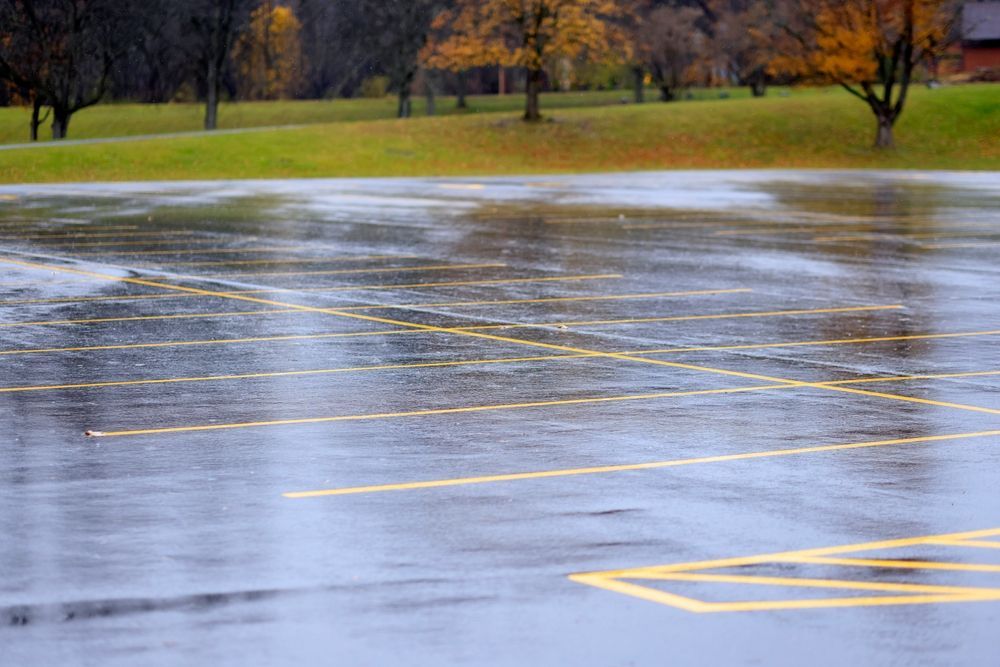
- Note any standing water; it's a warning sign of base trouble.
Spring is also when potholes peak. Our explainer on why potholes occur more in spring shows what's happening under the surface.
Summer: The Season to Seal
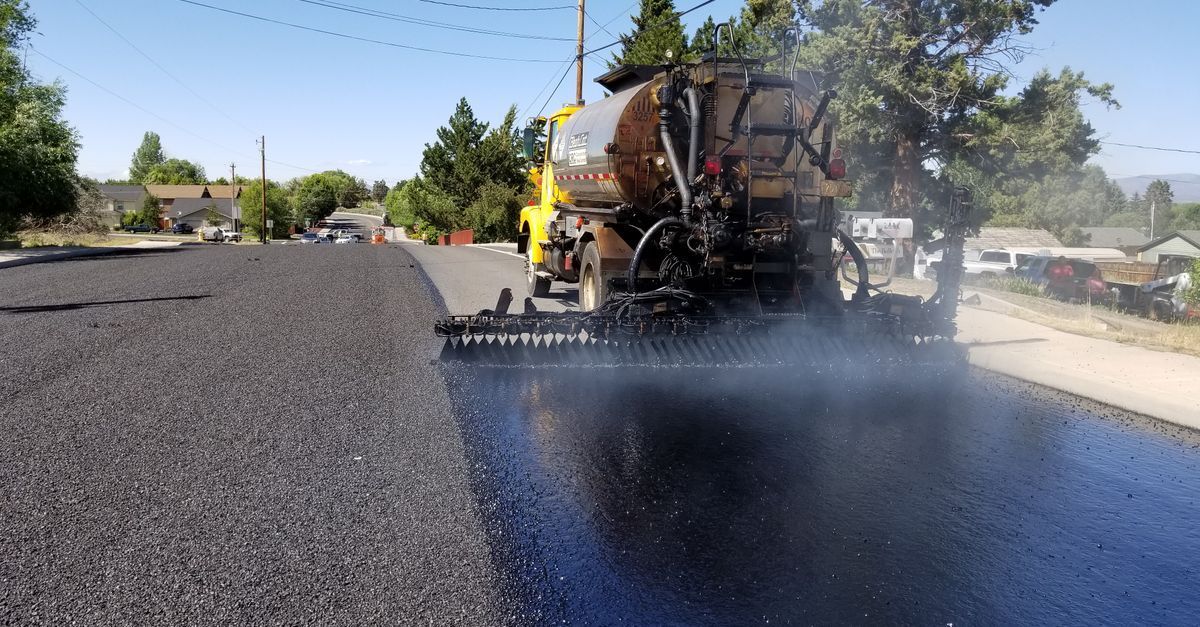
Warm, dry weather makes summer the prime window for seal coating and crack filling. Sealant cures best in the heat, and a fresh coat shields the surface through the harsh UV months ahead.
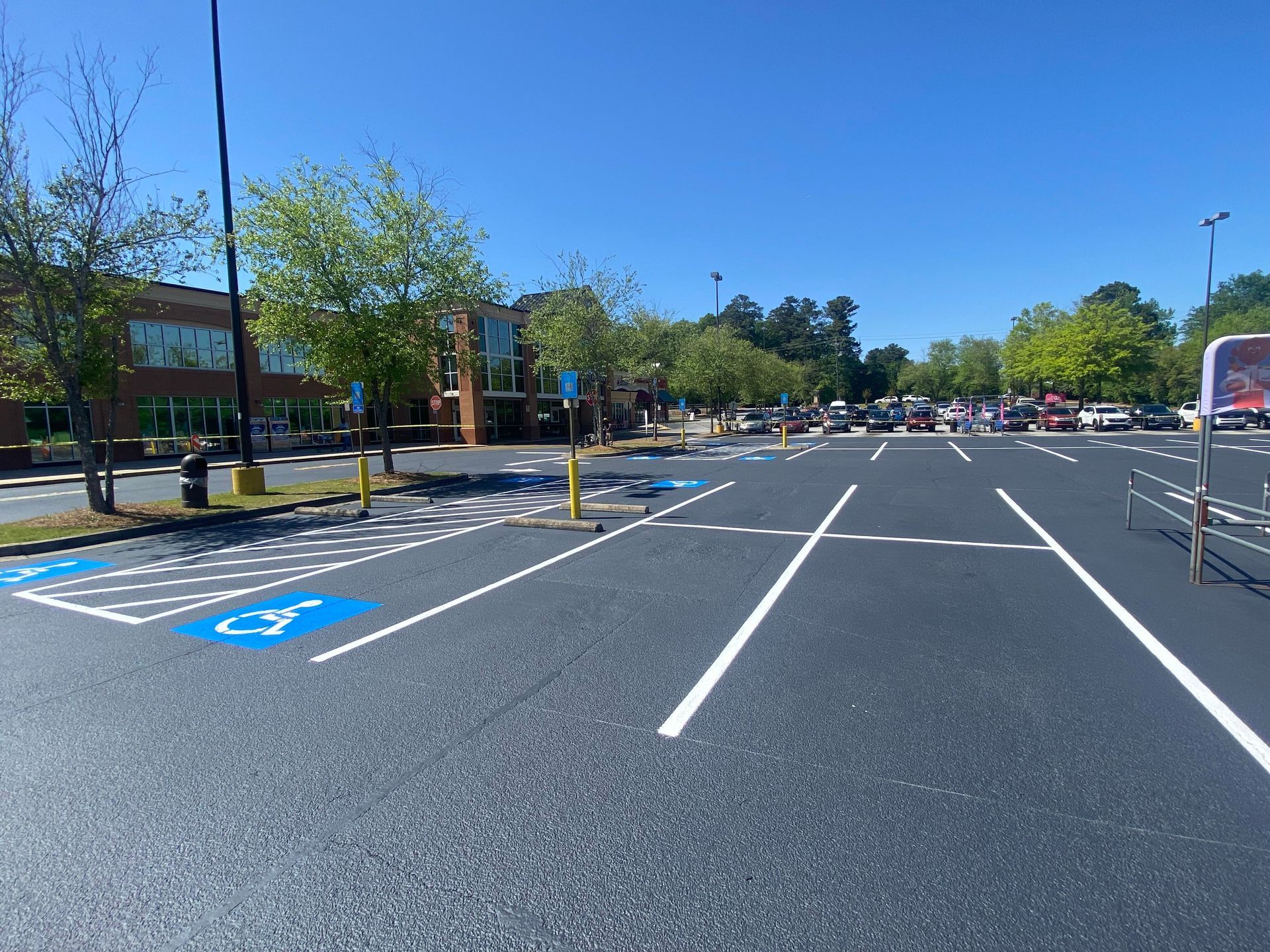
Plan seal coating on a regular cycle, often every two to three years depending on traffic. The math usually favors it, as we lay out in the benefits of seal coating your parking lot. Summer is also a good time to repaint faded striping and refresh ADA markings.
Fall: Prep for the Wet Months
Fall is about getting ahead of water. Leaves clog drains, and Georgia's wet winter is unforgiving to a lot that can't shed water. A little prep now prevents standing water from undermining the base.
- Clear leaves and debris from drains and low spots.
- Address any drainage issues before the rainy stretch.
- Seal any new cracks while temperatures still allow it.
- Restripe if summer heat faded the lines.
Winter: Watch and Protect
Georgia winters are mild but not harmless. The occasional freeze plus steady rain drives the freeze-thaw cracking you'll be repairing come spring. Winter is mostly a watch-and-protect season.
Keep drains clear, fix any pothole that opens up quickly so water can't get in, and avoid letting water pond and refreeze. If you spot rapid decline, our guide to the essential parking lot maintenance tips covers the fixes worth prioritizing.
The Monthly Five-Minute Check
Between the seasonal tasks, a quick recurring habit keeps surprises away. Each month, scan for new cracks, check that drains are clear, look for faded striping or fading paint, and confirm no oil stains are eating into the surface.
Property managers across metro Atlanta lean on The Paving Guys for exactly this kind of steady, preventive care, because catching problems early is what keeps a paving budget flat instead of spiking. Pair these checks with the seasonal list above and your lot stays ahead of trouble.
Stay Ahead of the Cracks
A well-kept lot is quiet. No complaints, no emergencies, no surprise invoices, just a surface that does its job year after year. Follow the seasonal rhythm, keep up the monthly walk, and let the calendar do the heavy lifting. Want a professional eye on your lot's condition? Book a free maintenance assessment.
FAQs
What's the best parking lot maintenance schedule for a commercial property?
The best schedule blends a monthly visual walk with seasonal action: inspect and repair in spring, seal coat in summer, clear drainage in fall, and protect against freeze-thaw in winter. Add a professional inspection once a year, and you'll catch base problems while they're still affordable.
How often should a commercial parking lot be seal coated?
Most commercial lots benefit from seal coating every two to three years, though heavy traffic may call for it sooner. The right interval depends on use, sun exposure, and the lot's age. A contractor can read the surface and recommend a cycle that protects the asphalt without overspending.