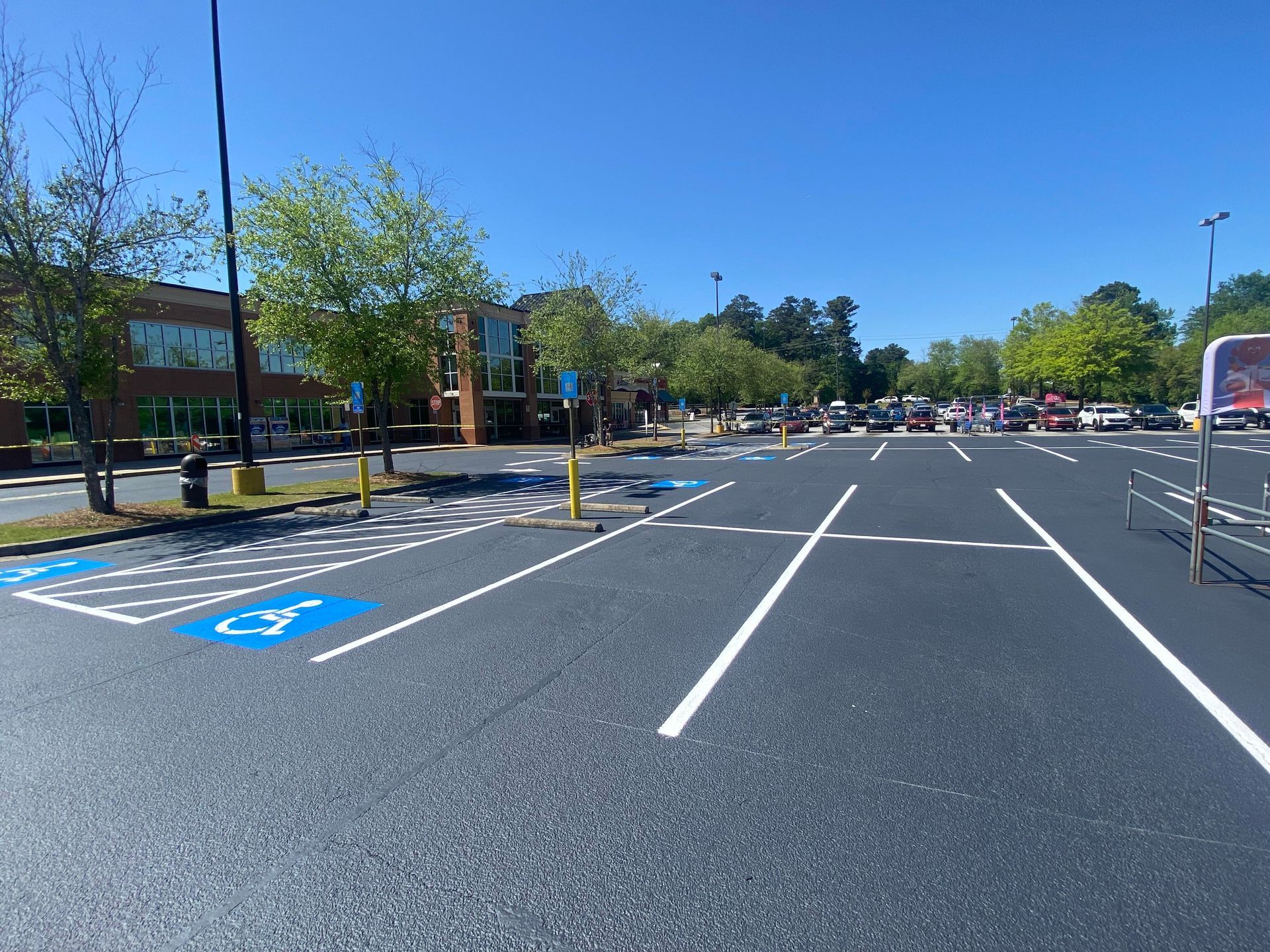

Parking Lot Pavement Challenges in Metro Atlanta
Every experienced property owner knows that a building is only as strong as what lies beneath it. In the world of asphalt, this is especially true. When you manage a commercial property in metro Atlanta, you aren't just fighting time and wear; you are fighting the very earth itself.
The Red Clay Foundation
The legendary Georgia red clay is more than just a nuisance for your shoes. It is a highly unstable base for heavy-duty paving. This soil type is notorious for being expansive, meaning it swells significantly when wet and shrinks when dry.
In our humid environment, this constant movement creates a pumping effect. As heavy vehicles drive over the surface, the flexible asphalt flexes. Underneath, the moisture-laden clay shifts, eventually forcing silt up into the stone base. This compromises the structural integrity of the entire lot.
Pro Tip: Always insist on a proof-roll inspection of the sub-grade before any stone or asphalt is laid. This identifies soft spots in the clay that will cause future sinkholes.
Heavy Loads and Dynamic Pressure
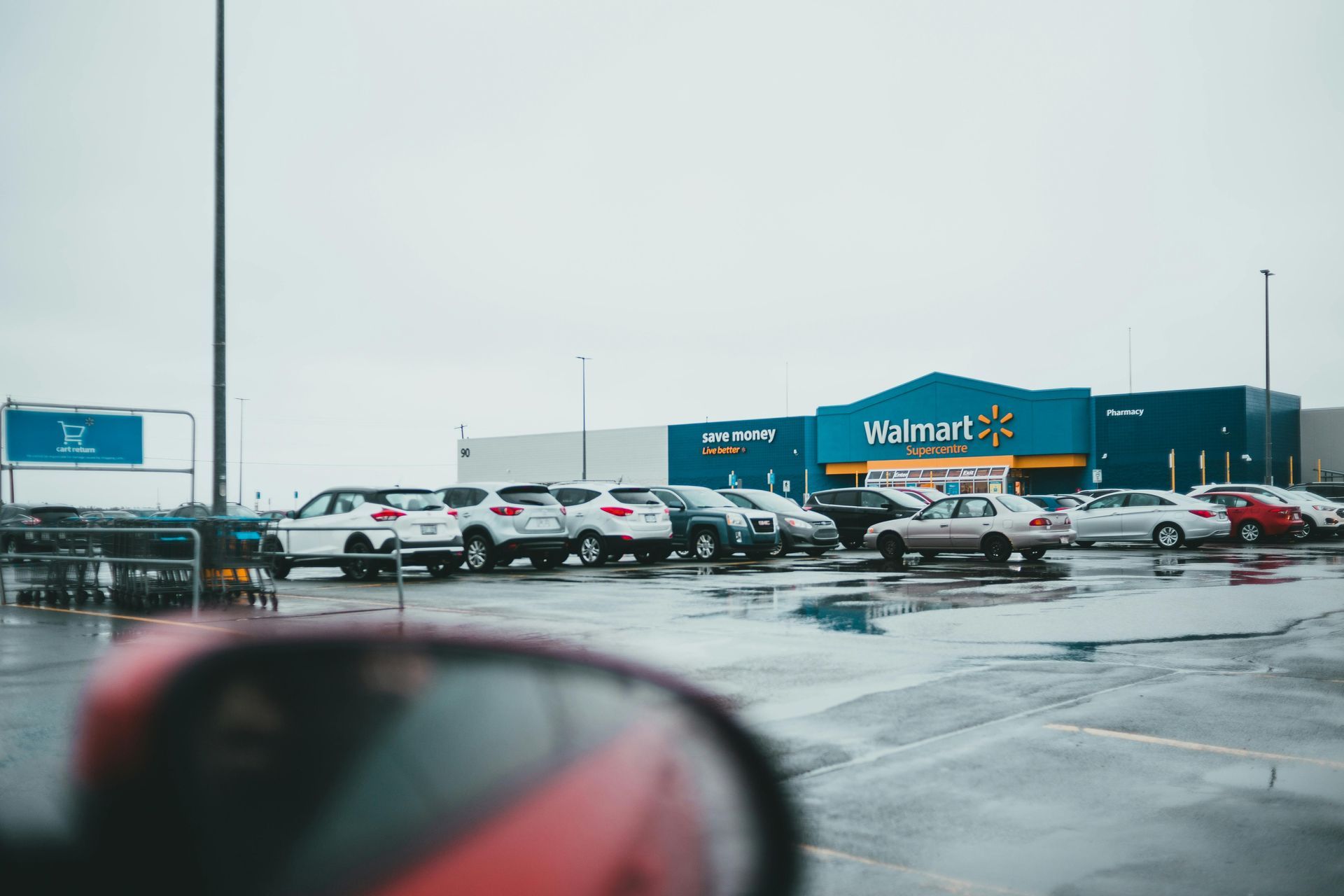
Atlanta is the logistics heart of the Southeast. This means our parking lots aren't just holding cars; they are handling 80,000-pound tractor-trailers. The pressure these vehicles exert is not just downward.
When a delivery truck turns its wheels while stationary or brakes suddenly, it creates shoving and rutting. Standard residential-grade asphalt will peel and ripple under this stress. Commercial parking lots require a specific binder grade—often referred to as stiff mixes—to resist the lateral forces of heavy-duty traffic.
The Battle Against Moisture
"An ounce of prevention is worth a pound of cure." This old saying is the golden rule of Atlanta paving. Because our clay holds water so effectively, drainage is your most important asset.
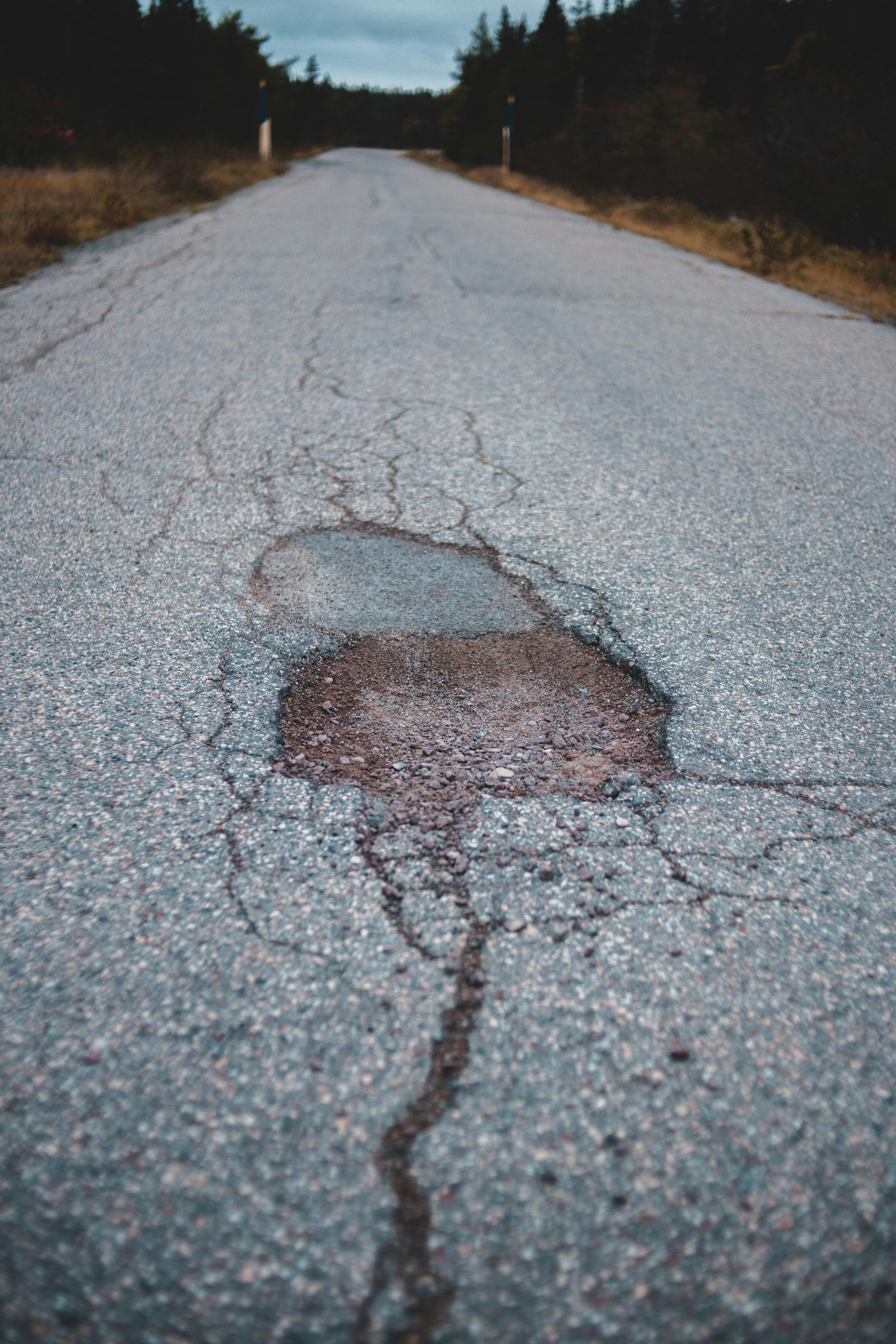
If water sits on the surface or seeps into the sub-base, the hydraulic pressure from traffic will literally tear the asphalt apart from the inside out. This usually manifests as alligator cracking—a clear sign that the foundation has failed.
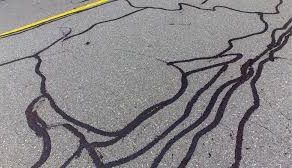
Identifying Alligator Cracking
This pattern of small, interconnected rectangles looks like the skin of a reptile. It indicates that the sub-base is no longer supporting the weight of the vehicles above it. Once you see this, a simple patch is rarely enough to fix the root cause.
Engineering for the Perimeter
Building a lot in Buckhead or an industrial park in Norcross requires different engineering than a lot in the sandy soils of South Georgia. To combat the clay, experts often use soil stabilization techniques.
By mixing lime or cement into the upper layers of the red clay, contractors can create a bridge that stays rigid even when wet. This prevents the sub-base from turning into a sponge during our frequent summer thunderstorms.
Did You Know? Asphalt is actually a flexible pavement. Unlike concrete, it is designed to give slightly under weight, which is why the strength of the soil beneath it is so critical.
Why Quality Materials Matter
As an industry leader, The Paving Guys provides specialized high-performance asphalt mixes tailored for the Georgia climate. We understand that a one-size-fits-all approach leads to potholes and premature failure. By using PG 64-22 or PG 76-22 binders where appropriate, we ensure your lot stands up to both the heat and the heavy loads of a busy commercial hub.
The Cost of Cutting Corners
It is tempting to look for the lowest bid, but in the paving world, you get what you pay for. A thin overlay on top of un-stabilized red clay might look great for six months. However, the first winter freeze-thaw cycle will expose every underlying weakness.
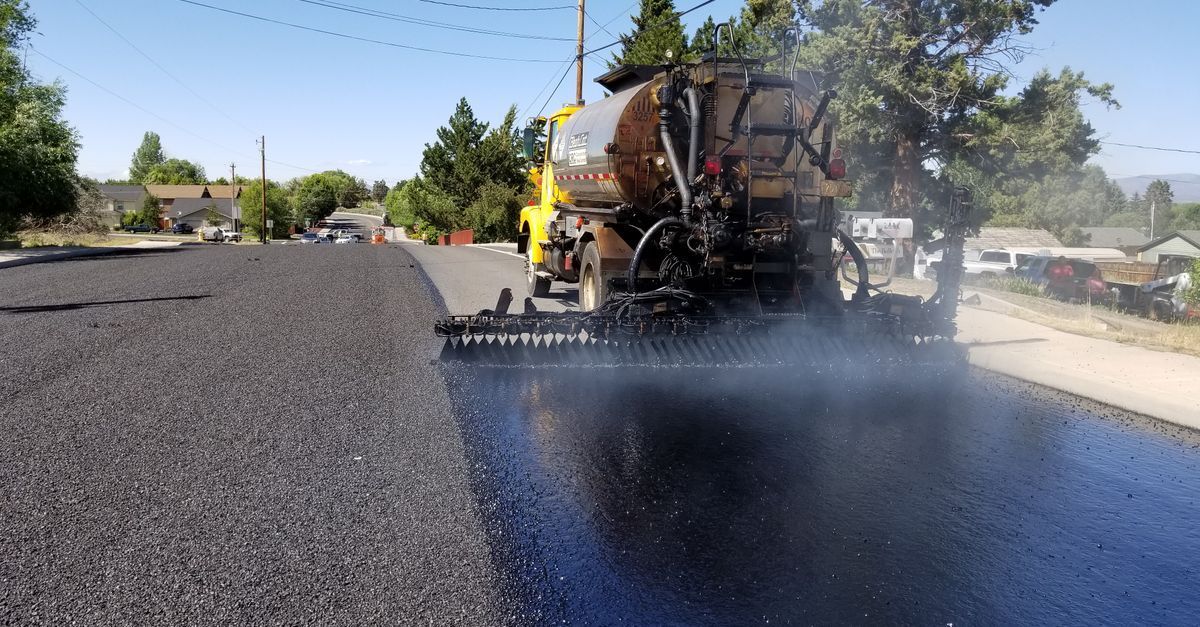
Investing in a thicker binder course (the bottom layer of asphalt) and a high-quality wearing course (the top layer) saves thousands in the long run. It extends the life of your lot from 8 years to 20 years.
Little Known Fact: Over 90% of asphalt failures in metro Atlanta are caused by sub-base issues, not the asphalt material itself.
Strategic Maintenance Cycles
Because our climate is so punishing, a set it and forget it mentality will kill your ROI. You must stay ahead of the cracks.
- Year 1-2: Initial sealcoating to protect against UV damage and oil spills.
- Every 3 Years: Routine crack sealing to keep water out of that volatile red clay.
- Year 5-7: A second round of sealcoating to rejuvenate the binder.
Did You Know? Sealcoating acts as a sunscreen for your parking lot, preventing the sun from drying out the oils that keep asphalt flexible.
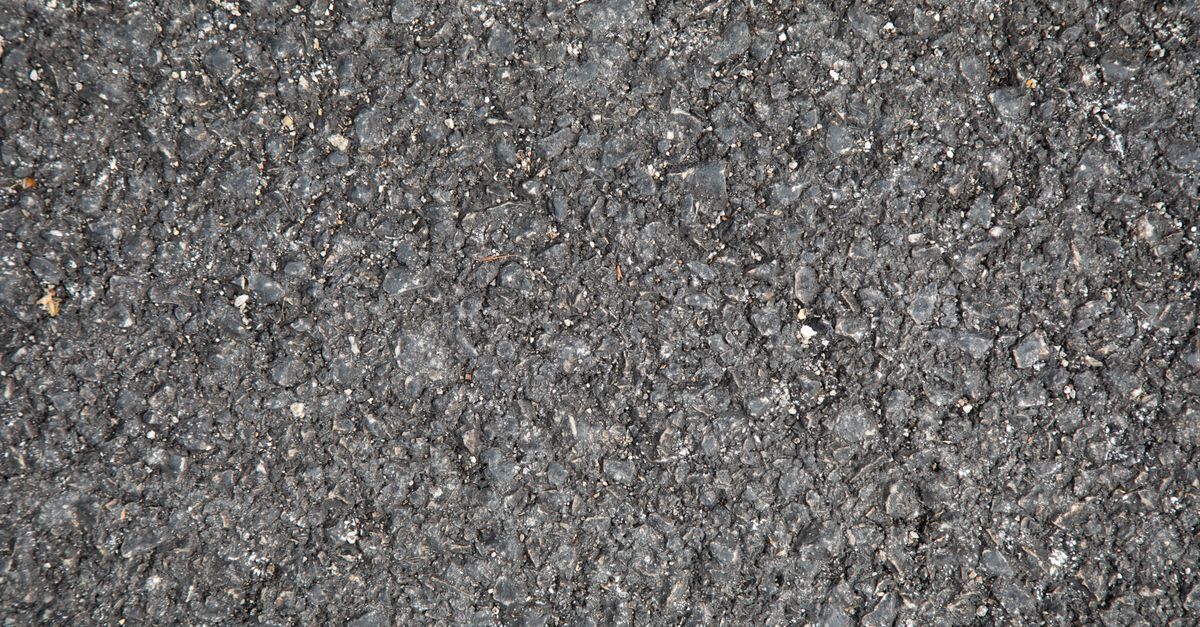
Maintenance Tip: If you see polishing (where the stones in the asphalt look shiny and smooth), your skid resistance is dropping, and it is time for a surface treatment.
Final Inspection and Longevity
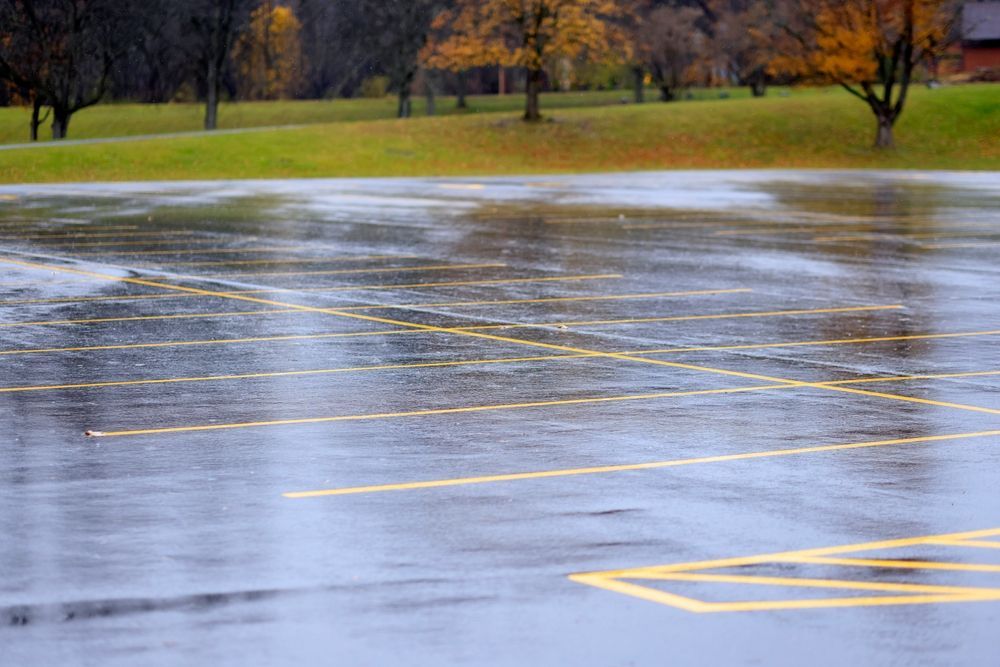
Before signing off on a project, walk the lot after a heavy rain. Look for birdbaths or standing water. In Atlanta, standing water is the enemy of the foundation. A well-paved lot should move water toward drains or bioswales within minutes of a storm ending.
What is the best commercial paving strategy for heavy truck traffic?
The best approach involves a reinforced sub-base—often stabilized with cement or lime—and a "Superpave" asphalt mix. This design ensures the lot can handle the static loads of parked trailers without rutting.
How does Georgia red clay affect my paving costs?
Because red clay is unstable, you may face higher upfront costs for soil stabilization or thicker stone bases. However, this prevents the catastrophic cost of a total lot failure within the first five years.
How often should I sealcoat my Atlanta parking lot?
In our high-heat environment, you should typically
sealcoat every 3 to 5 years. This prevents the asphalt from becoming brittle and cracking under the weight of commercial vehicles.