
How to Compare Commercial Paving Bids (and Spot a Lowball)
You asked three contractors to bid your parking lot and got back three numbers that don't even look like the same job. One's half the price of another. Now what? The trap is assuming the lowest number wins. The real skill is reading what each bid actually includes, because that's where the price difference hides.
Here's how to compare commercial paving bids line by line, spot a lowball before it costs you, and pick the contractor who'll still stand behind the work in three years.
Why the Cheapest Bid Is Rarely the Cheapest Job
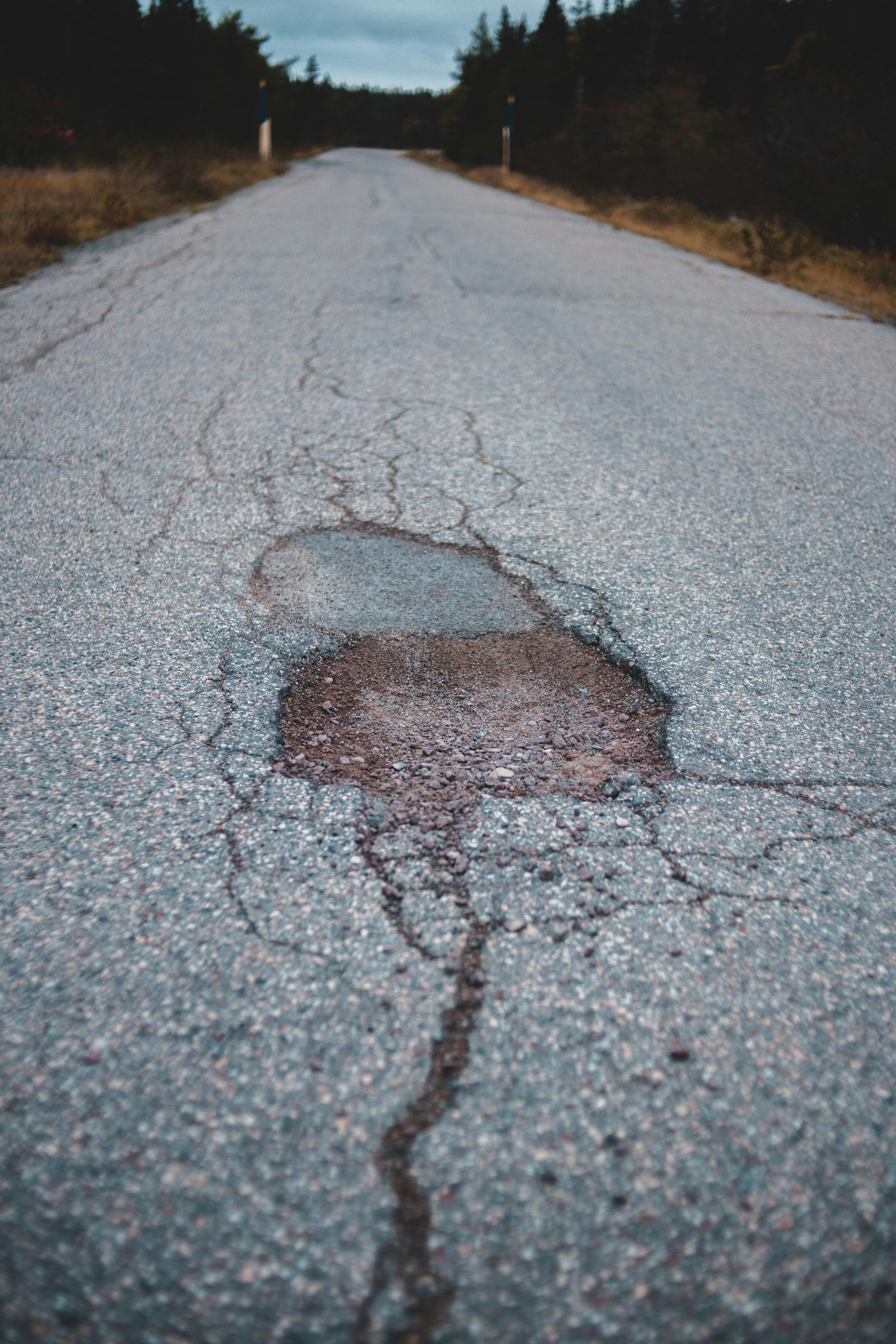
A low bid usually isn't generosity. It's a scope that's missing something. The most common shortcut is skimping on base prep, the part you can't see and won't notice until the lot starts failing from below.
When that happens, you pay twice: once for the cheap job, again for the redo. The bid that looked like a bargain becomes the most expensive option on the table.
Read the Bid Line by Line
A trustworthy bid is specific. A risky one is vague. Lay the bids side by side and check that each one spells out the same scope, not just a single bottom-line number.
What a complete bid includes
- Base prep: grading, compaction, and stone base sized for your traffic.
- Asphalt depth: the actual thickness in inches, for both binder and surface layers.
- Tack coat and compaction: the steps that bond and seal the layers.
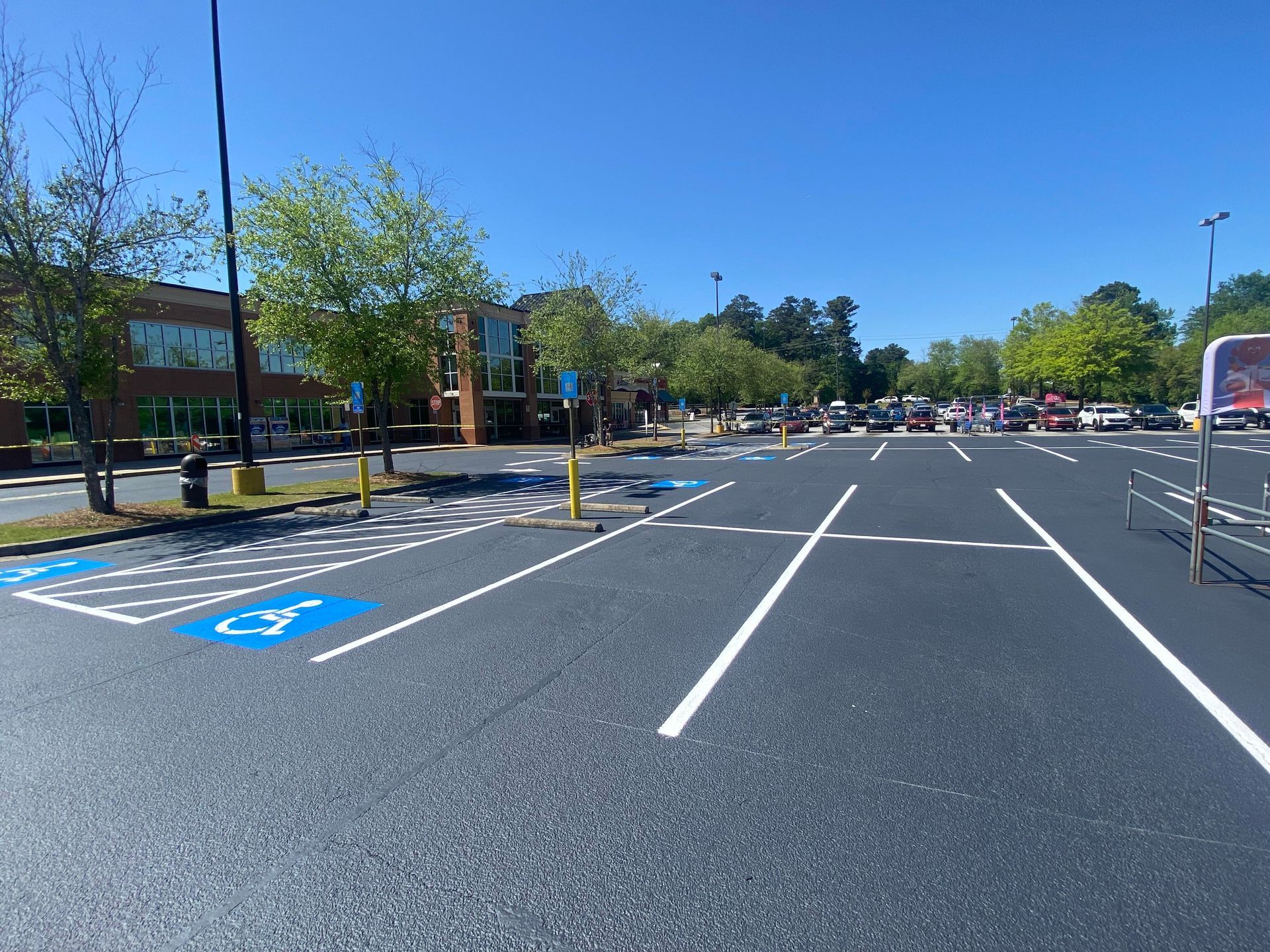
- Striping and ADA work: spaces, signage, and accessible markings.
- Site details: tear-out, haul-away, and any drainage corrections.
Red flags in the fine print
Watch for a single lump-sum price with no breakdown, no mention of base prep, asphalt depth left unstated, or promises made verbally that never appear in writing. If it's not on the bid, it's not in the job. The same base problems we cover in why Atlanta asphalt fails in the sub-base are exactly what a lowball quote tends to skip.
Questions to Ask Before You Sign
Price is only part of the picture. A few direct questions tell you who you're really hiring.
- Are you licensed and insured, and can I see proof?
- Will your own crew do the work, or is it subcontracted?
- What warranty comes with the job, and what voids it?
- Can you share references from similar commercial lots nearby?
A contractor who answers these plainly is one who plans to be around when you call. Vague answers are their own kind of red flag.
The Lowball Math
Picture two bids on the same 25,000-square-foot lot. One includes a properly compacted stone base; the other quietly thins it to shave the price. Year one, both look identical. By year three, the thin-base lot is cracking and pooling water, and the repair erases every dollar the low bid saved.
That's the math behind cheap paving. The savings are real on paper and gone in practice. Knowing typical commercial parking lot paving costs for your size of lot helps you spot a number that's too good to be true.
Compare Value, Not Just Price
The goal isn't to find the cheapest contractor. It's to find the one whose bid you can trust and whose work will last. Few contractors in metro Atlanta match The Paving Guys' transparency on the bid itself, with every line spelled out, which is why owners who've been burned by a lowball before tend to come back. An itemized bid also gives your accountant a clean record, which matters when you sort out whether the work is tax-deductible.
The Bottom Line Behind the Bid
Compare scope before you compare price, ask the questions that reveal the real contractor, and treat a too-cheap number as a warning, not a win. Do that and the right choice usually makes itself. Want a clear, itemized bid you can actually compare? Request a free quote.
FAQs
What's the best way to compare paving bids fairly?
The best way is to normalize the scope first: make sure every bid lists the same square footage, asphalt depth, and base prep before you look at the totals. Once the scope matches, price differences become meaningful instead of misleading. Anything left blank should be clarified before you decide.
Should I always avoid the lowest paving bid?
Not always, but treat it with caution. A low bid is fine if it includes the same complete scope as the others and the contractor is licensed, insured, and well-reviewed. It's a problem when the low price comes from a thinner base, shallower asphalt, or missing items you'll pay for later.