
Is Repaving Your Parking Lot Tax-Deductible? (Owner's Guide)

Few property owners think about taxes when they look at a cracked parking lot. They should. How a paving project is classified can change whether you write it off this year or spread it over more than a decade. For a commercial property, that distinction is worth real money.
Here's a plain-English look at how parking lot work tends to be treated for taxes, the terms your accountant will use, and how to set the project up so the paperwork helps you. One note up front: this is general information, not tax advice. Always confirm the specifics with your CPA.
Repair or Improvement? The Distinction That Changes Everything
The IRS draws a line between a repair and a capital improvement, and that line decides how you deduct the cost. Get it sorted early, because it shapes everything that follows.
What usually counts as a repair
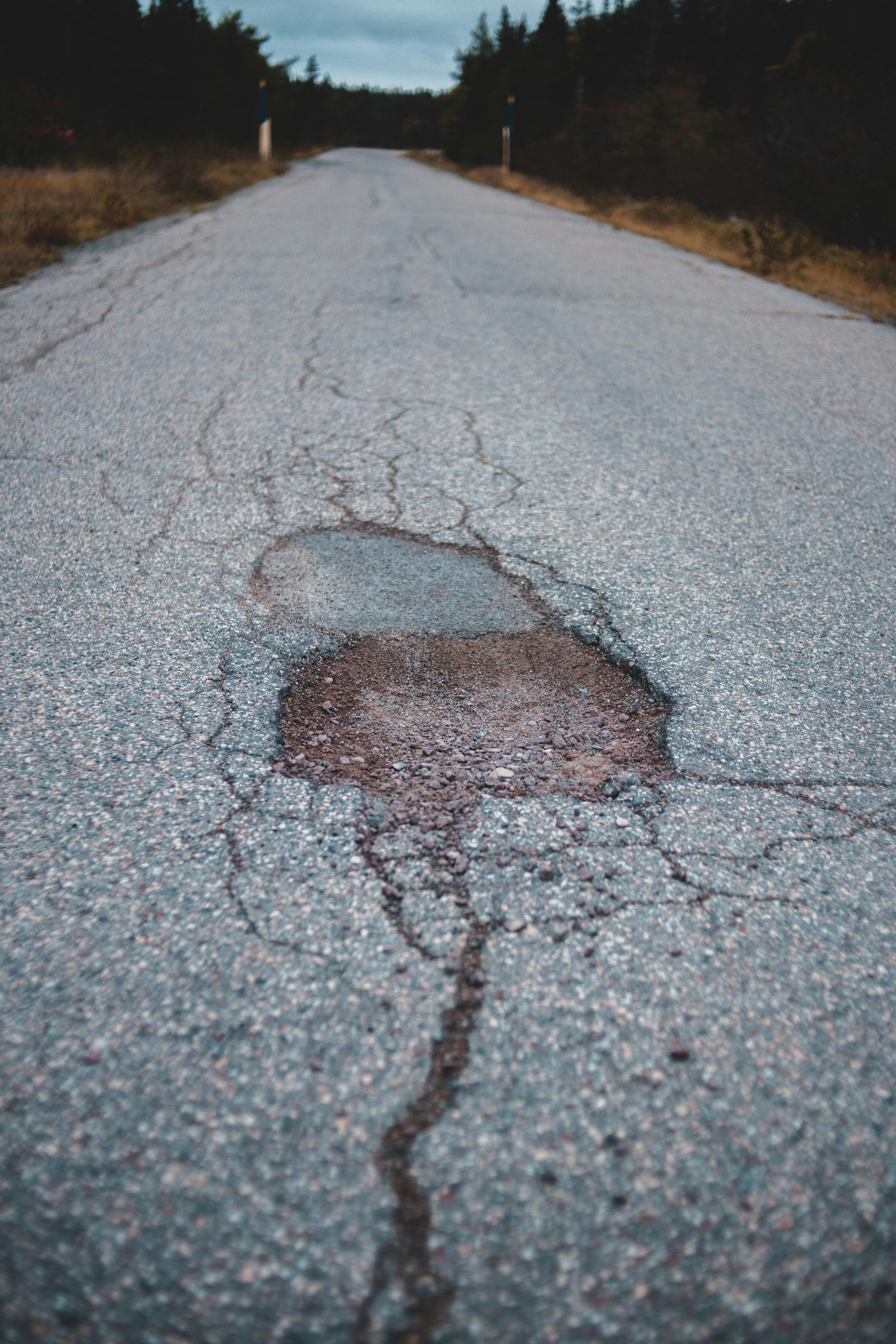
Work that keeps the lot in its current working condition often qualifies as a repair. Filling potholes, sealing cracks, and patching a worn section typically fall here. Repairs can frequently be deducted in the same year you pay for them.
What usually counts as an improvement
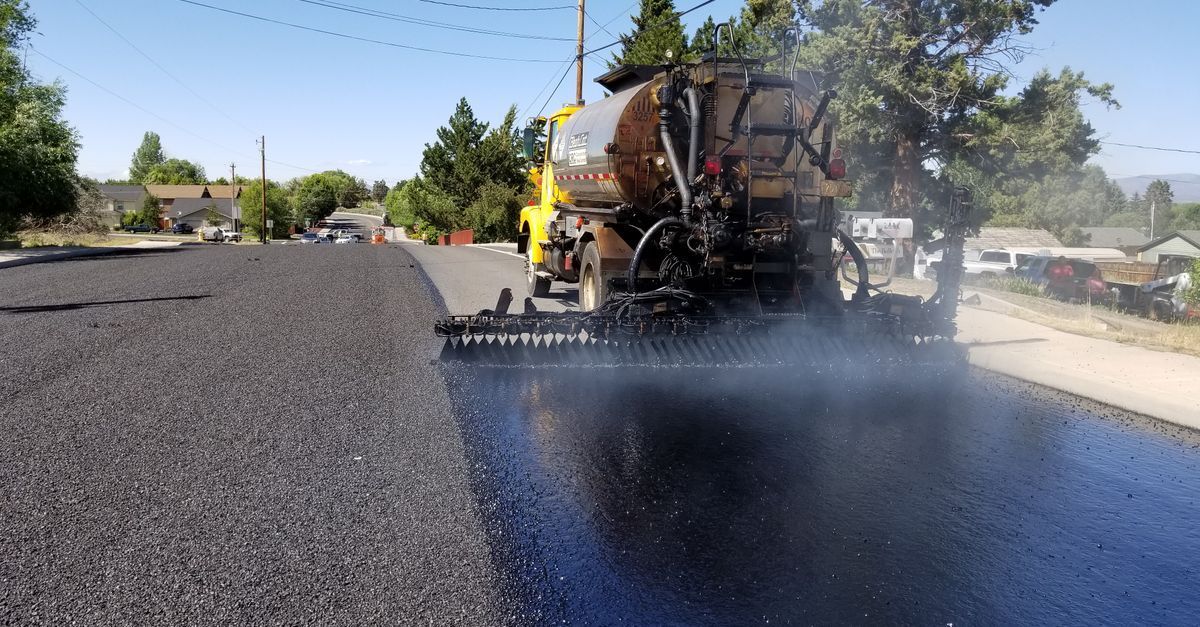
Work that betters the property, restores it after major deterioration, or extends its useful life tends to be a capital improvement. A full repave or building a new lot usually lands in this bucket and gets recovered over time rather than all at once.
If you're weighing a patch job against a full redo, our guide on resurfacing versus replacing your lot can help you see which side of the line your project sits on.
How Parking Lot Improvements Are Usually Depreciated
When a project counts as a capital improvement, a paved lot is generally treated as a land improvement. Land improvements are typically depreciated over a 15-year schedule rather than written off in one year.
That sounds slow, but two provisions can speed it up in many cases, which is where Section 179 and bonus depreciation come in.
Section 179 and Bonus Depreciation, Briefly
Section 179 lets qualifying businesses deduct the full cost of certain assets in the year they're placed in service, up to annual limits. Bonus depreciation is a separate provision that has allowed an extra first-year deduction on eligible property.
Both have rules, caps, and eligibility tests, and bonus depreciation percentages have shifted in recent years. Whether a parking lot qualifies, and for how much, depends on current law and your specific situation. This is exactly the kind of thing your CPA tracks year to year.
Why Timing Your Project Matters
Because deductions hinge on when an asset is placed in service, the calendar can matter. A repave finished in December versus January can land in a different tax year, which may affect your planning. If a project is on the horizon, a quick word with your accountant before you schedule it can pay off.
Knowing your likely cost ahead of time helps that conversation. Our breakdown of commercial parking lot paving costs gives you a number to plan around.
Build It Right, Then Talk to Your CPA
A solid deduction starts with solid documentation and a project scoped the right way. As a commercial paving specialist serving metro Atlanta, The Paving Guys provides itemized, clearly scoped quotes that give property owners and their accountants a clean record to work from. We handle the asphalt; your CPA handles the tax code.
Paving the Way to a Smarter Write-Off
The asphalt under your tires might be more tax-friendly than you think, but only if the work is classified and documented correctly. Keep your invoice itemized, mind the timing, and loop in your accountant early. Ready to scope a project the right way? Request a free assessment.
FAQs
What's the best way to maximize the tax benefit of a parking lot paving project?
The best approach pairs a clearly itemized contractor invoice with early input from your CPA. That lets you separate deductible repairs from capitalized improvements and time the work so it lands in the most useful tax year. The documentation is what makes the deduction defensible.
Is seal coating tax-deductible as a repair?
Routine maintenance like seal coating is often treated as a currently deductible expense rather than a capital improvement, since it preserves the lot rather than bettering it. Rules vary by situation, so confirm with your accountant, and keep the invoice itemized either way.