
🚧 Is It Time to Resurface or Replace Your Parking Lot? Here's How to Decide
Every commercial property owner eventually faces the same question: Should I resurface my parking lot or replace it entirely? It’s a big decision, and getting it wrong could cost you more in the long run.
Resurfacing (also called overlaying) is a quicker, more affordable option, but it’s only effective if the underlying structure is sound. On the other hand, replacing your parking lot is a larger investment but ensures long-term durability.
At The Paving Guys, we’ve guided countless businesses through this decision. Here’s a clear, no-nonsense guide to help you determine whether your parking lot needs a resurface or a complete replacement.
The Decision Tree: Resurface vs. Replace
RESURFACE (OVERLAY)
────────────────────────────────────────────────────────────
Cost 💲 Low (Typically 30–50% of a replacement)
Timeline Quick (1–3 days)
Lifespan Adds 8–15 years
Best For Surface-level wear, Good drainage, Minimal deep cracks
────────────────────────────────────────────────────────────
REPLACEMENT (RECONSTRUCTION)
────────────────────────────────────────────────────────────
Cost 💲💲💲 High
Timeline Longer (4–7+ days)
Lifespan Adds 20–30 years
Best For Structural failure, Drainage issues, Extensive cracking
──────────────────────────────────────────────────────────────────────────────
Part 1: When is Resurfacing the Right Choice?
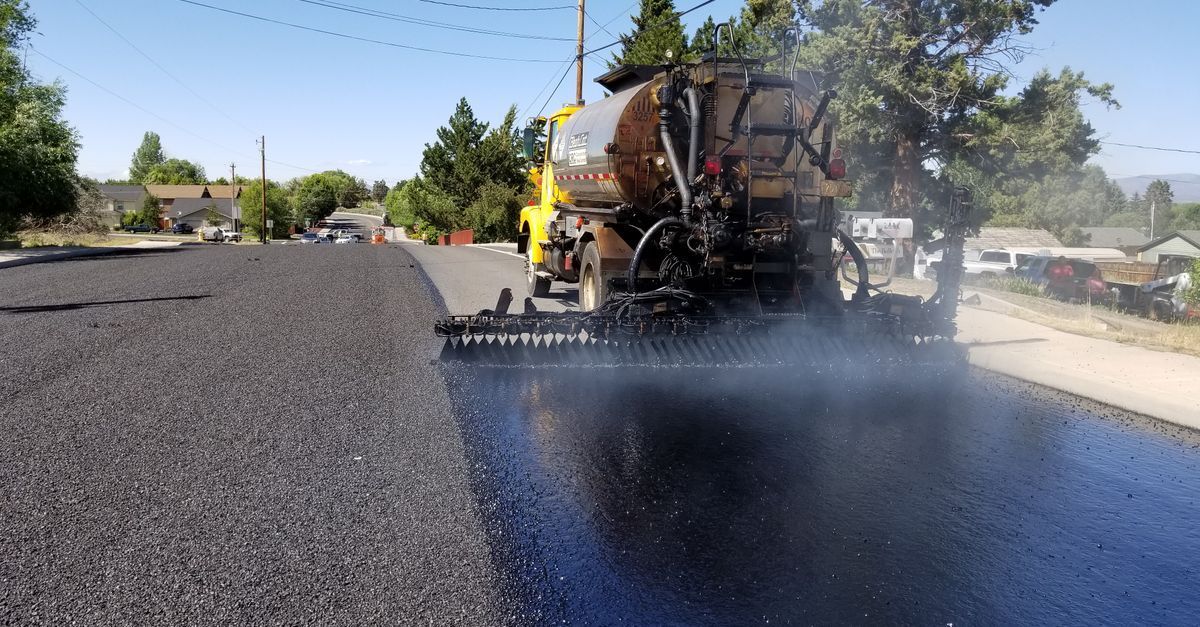
Resurfacing is like giving your parking lot a facelift. It involves cleaning the surface, applying a binding agent, and laying 1.5 to 2 inches of fresh asphalt over the existing layer. It’s a cost-effective way to extend the life of your lot—if the foundation is still solid.
Indicators You Should Resurface:
Minor Cracks (Alligator Cracking): If you notice shallow, interconnected cracks (resembling alligator skin) that cover less than 25–30% of the lot, resurfacing can seal them up.
Stable Sub-Base: The ground beneath the asphalt is firm and stable. No sinking, buckling, or soft spots.
Good Drainage: Water flows off the lot without pooling or puddling in large areas.
Minimal Potholes: A few small potholes can be patched before resurfacing begins.
📝 Pro Tip: Before resurfacing, we always perform "mill and patch" repairs on the worst sections. This ensures the new asphalt layer adheres properly and lasts longer.
Part 2: When is Replacement Necessary?
Sometimes, a fresh layer of asphalt just won’t cut it. Replacement involves removing all existing asphalt, repairing or replacing the gravel sub-base, and starting from scratch. While it’s a bigger investment, it’s the only way to fix deep structural issues.
Indicators You Need to Replace Your Parking Lot:
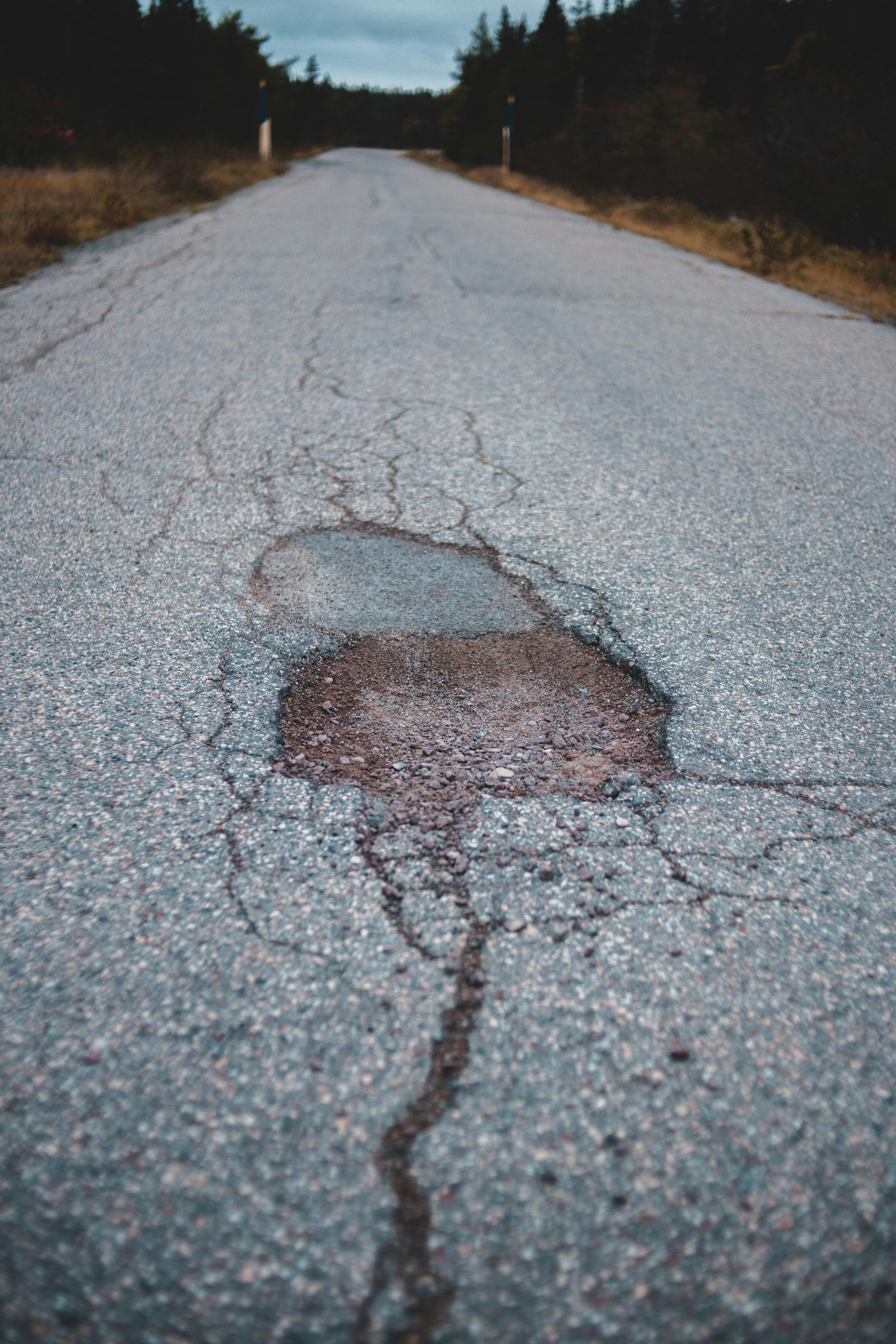
Pothole Epidemic: If potholes keep reappearing despite patching, it’s a sign the sub-base is failing.
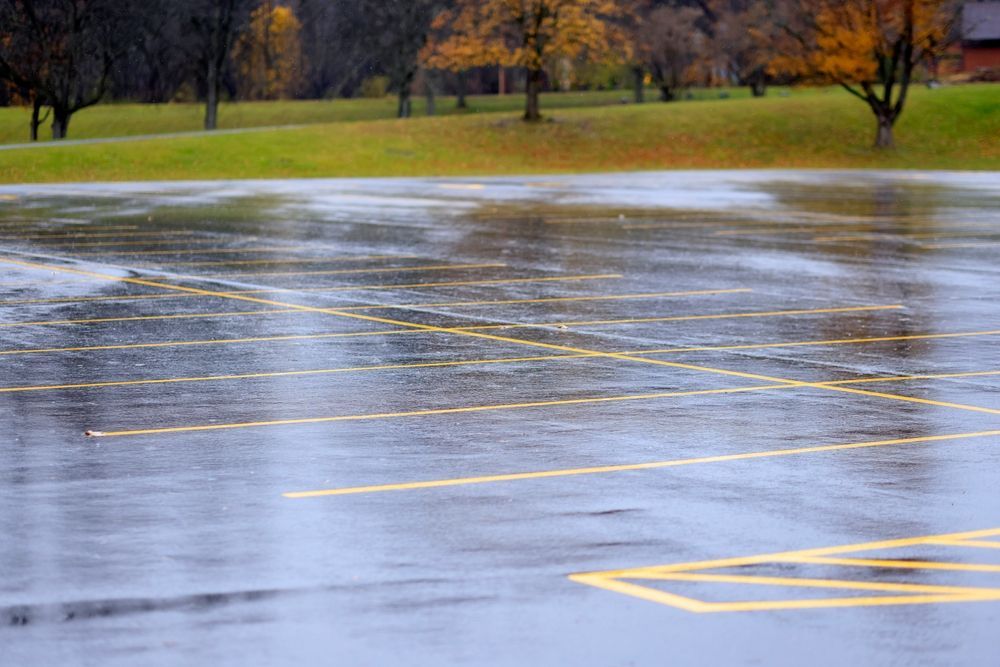
Drainage Disaster: Standing water (a.k.a. "bird baths") after rain indicates poor drainage. Replacement allows us to regrade the lot for proper water flow.
Severe Cracking: Wide cracks (over 1/2 inch) or buckling sections are signs of foundation damage.
Multiple Overlays: If your lot has been resurfaced multiple times, adding another layer will only worsen the problem.
💡 Did You Know?
Asphalt is 100% recyclable! Old asphalt removed during replacement can be reused in new projects, making it an eco-friendly option.
Proper maintenance can double your parking lot’s lifespan. Regular sealcoating and crack filling can prevent costly repairs down the road.
Drainage is the #1 enemy of asphalt. Poor drainage accelerates wear and tear, leading to cracks, potholes, and foundation damage.
📞 How The Paving Guys Can Help
Making the right choice between resurfacing and replacement starts with a professional assessment. At The Paving Guys, we don’t just guess—we inspect every inch of your parking lot to ensure you get the best solution for your business.
Here’s what we evaluate during our free on-site consultation:
Sub-Base Integrity: Is the foundation stable enough for resurfacing, or does it need repair?
Drainage Effectiveness: Are water issues causing damage, and can they be fixed without a full replacement?
Cost-Benefit Analysis: We’ll provide clear estimates for both options so you can make an informed decision.
Don’t risk wasting money on a short-term fix. Let us help you make the right call.
👉 Click here to request your free consultation today!
FAQs About Parking Lot Resurfacing and Replacement
Q: How do I know if my parking lot’s sub-base is failing?
A: Signs of a failing sub-base include recurring potholes, large cracks, and sections of the lot that sink or buckle. A professional inspection can confirm the condition of your sub-base.
Q: Can I resurface my parking lot if it has drainage issues?
A: No. Resurfacing over poor drainage will only mask the problem temporarily. Water will continue to damage the sub-base, leading to cracks and potholes. In this case, replacement is the better option.
Q: How long does a parking lot replacement take?
A: The timeline depends on the size of the lot and the extent of the damage, but most replacements take 4–7 days. We’ll provide a detailed schedule during your consultation.
Q: What’s the lifespan of a resurfaced parking lot?
A: A resurfaced lot typically lasts 8–15 years, depending on traffic volume and maintenance. Regular sealcoating and crack repairs can help maximize its lifespan.