
The Art of Crack Filling and Why It's Vital for Your Pavement's Longevity
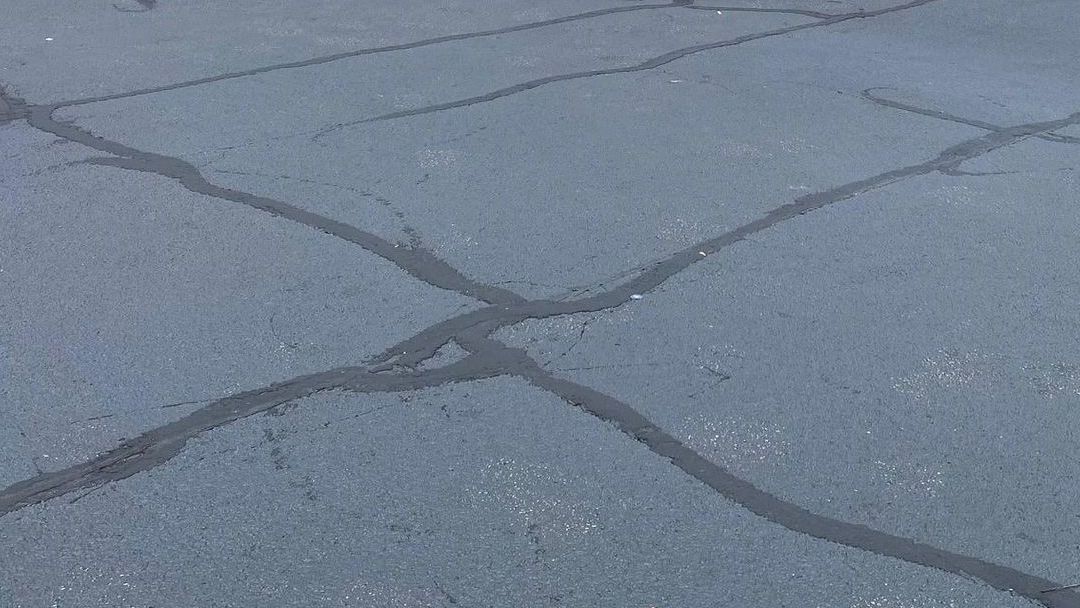
We often take for granted the smooth ride of our driveways, sidewalks, and roads. Maintaining asphalt pavement is crucial for its longevity. One such maintenance practice is asphalt crack filling, a method that ensures your pavement lasts longer and performs better. Cracks aren't just eyesores; they're gateways for damage, permitting water to infiltrate and degrade the pavement's structure over time. By filling asphalt cracks, these gateways are sealed, preventing damage and extending the pavement's life. These commercial paving services may seem simple but they play a significant role in preserving the quality and longevity of our pavements.
Understanding Pavement Cracks
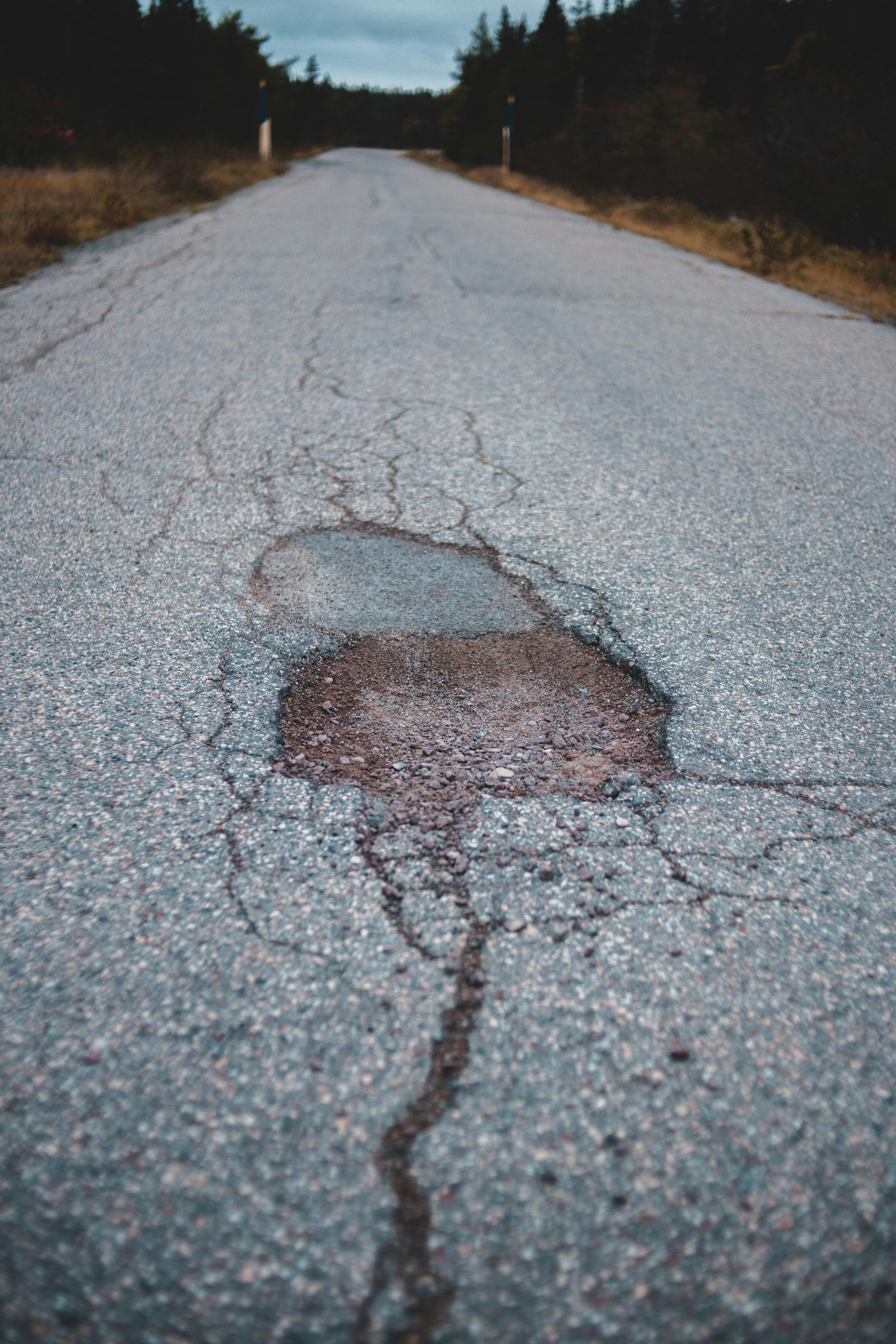
Pavement cracks are a common sight, especially on older or neglected surfaces. But what causes them? The culprits behind these unsightly fissures are varied. They can be the result of temperature fluctuations causing the asphalt to expand and contract, heavy vehicle traffic, or simply the passage of time which inevitably wears down the pavement.
Neglecting these cracks can lead to severe damage over time. Water is a pavement's worst enemy. When water seeps into these cracks, it can erode the base materials, leading to larger cracks, potholes, and even complete pavement failure. A small crack today can become a large pothole tomorrow if left untreated. This is why filling pavement cracks is so vital. They act as a preventative measure, stopping potential problems before they escalate into more significant, costlier issues.
The Necessity of Crack Filling
Asphalt crack filling plays a pivotal role in preventing further damage to your pavement. By sealing these cracks, we prevent water, the primary agent of pavement degradation, from entering into the base materials. This action effectively stops any potential for future damage, preserving the integrity of your pavement.
Filling asphalt cracks enhances safety. Cracks and potholes can pose significant hazards, especially to pedestrians and cyclists. Therefore asphalt crack filling is not just a maintenance task but also an integral part of ensuring a safe environment for all who use the pavement.
If left untreated, small cracks can escalate into major issues requiring costly repairs or even full pavement replacement. By investing in regular asphalt crack filling, you're saving yourself from hefty repair bills down the line. Filling pavement cracks is an economical, preventative measure that safeguards your pavement's longevity, keeping it smooth, safe, and visually appealing.
The Process of Crack Filling
The process of asphalt crack filling requires precision and professional execution for effective results.
- The cracks must be prepared, which includes removing any debris or vegetation that may hinder the filling process.
- The crack filler is applied. This material should be able to withstand weather fluctuations and heavy traffic while providing a reliable seal. This step must be carried out carefully to ensure the filler fully penetrates the crack and adheres correctly to the pavement.
- The filled cracks need time to cure. This period allows the filler to harden and establish a robust bond with the surrounding pavement.
Professional execution is key in ensuring these steps are performed correctly. An experienced team can effectively fill cracks, maximizing the longevity of your pavement and saving you from future repair costs.
Crack Sealing vs. Crack Filling
While both asphalt crack filling and crack sealing aim to resolve pavement cracks, they are two distinct processes used for different types of cracks.
Crack filling is a remedial process designed to fill non-working or static cracks, such as those caused by rain, sun, and temperature changes. This method involves injecting a filler into the crack to reduce water infiltration and reinforce the surrounding pavement.
Crack sealing is used for working or dynamic cracks, which change over time due to traffic loads or temperature fluctuations. Crack sealing involves applying a sealant to the crack's surface, creating a waterproof barrier that prevents further damage.
Understanding the difference between these two methods is crucial to determining the best solution for your pavement. Filling pavement cracks might be suitable for non-working cracks, while crack sealing may be more appropriate for active, shifting cracks. Both methods, executed correctly, can significantly extend the life of your pavement and save on future repair costs. An experienced paving company can help you make the distinction.
Why Hire a Professional for Crack Filling
Hiring a professional for asphalt crack filling is a wise investment. Professionals bring a wealth of experience to the job, ensuring that the work is done correctly and efficiently. They are equipped with the appropriate tools and knowledge needed for the job.
The Paving Guys is a trusted name in the industry, with a proven track record of providing superior crack-filling services. Trusting us with your pavement maintenance needs ensures quality, durability, and peace of mind, knowing that your pavement is in skilled hands. Stop searching for “seal coating near me” and contact the Paving Guys today.