
Sealcoating: A Crucial Step in Maintaining Your Pavement's Lifespan
Maintaining the endurance and appearance of your pavement is essential, whether it’s a driveway, parking lot, or any other asphalt surface. One of the most effective ways to protect your investment is through sealcoating. This process not only enhances the look of your pavement but also significantly extends its lifespan. In this blog, we’ll explore why sealcoating is a crucial step in pavement maintenance and how professional sealcoaters near me can help you achieve the best results.
The Importance of Sealcoating
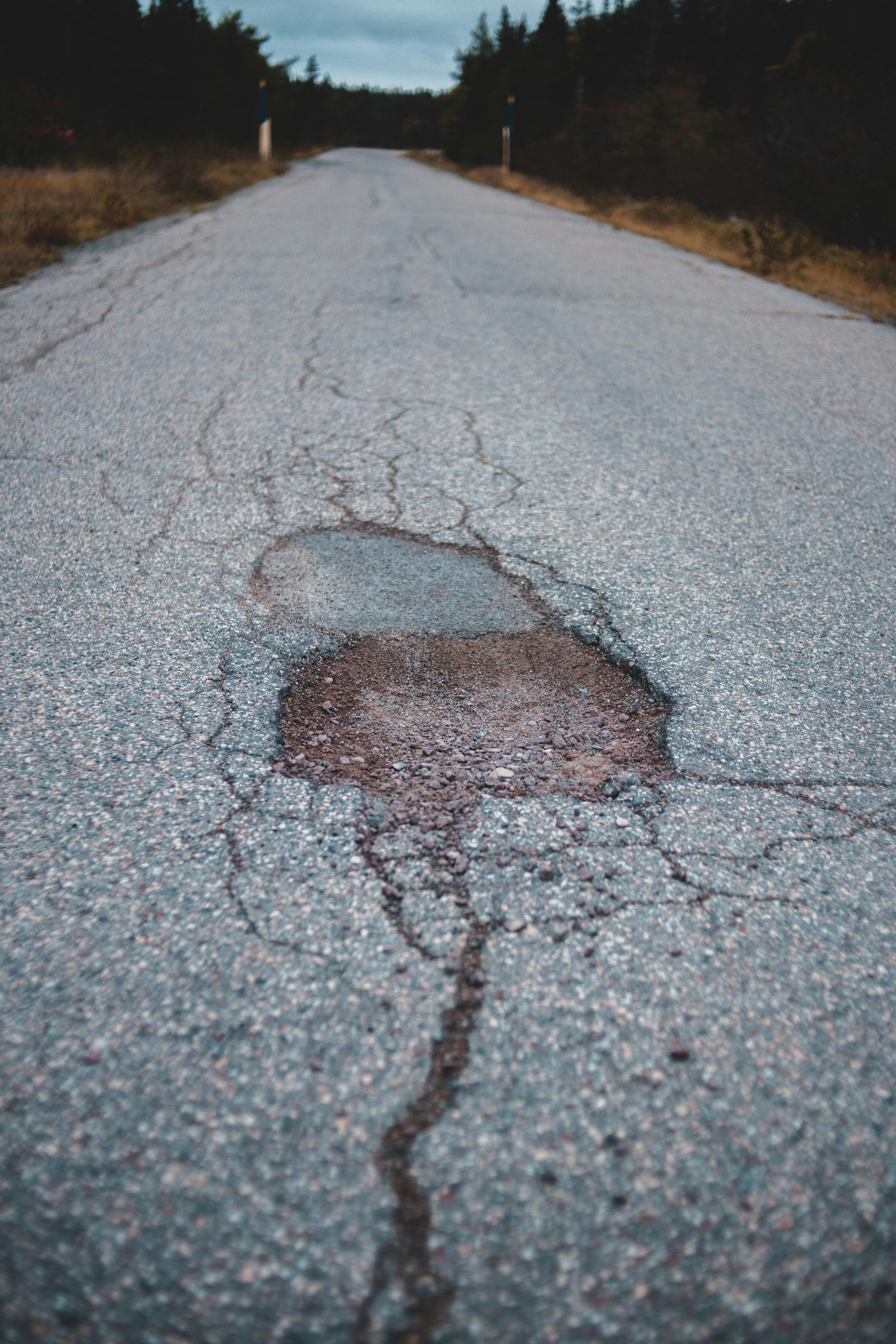
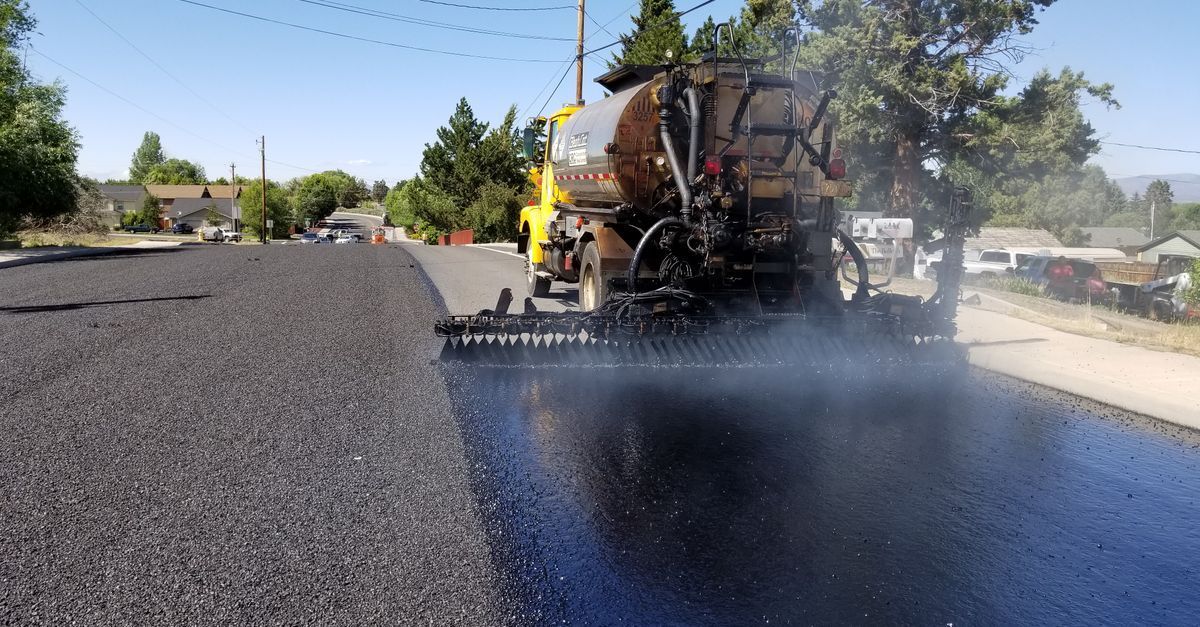
Sealcoating is the process of applying a protective layer to the surface of your asphalt pavement. This layer acts as a barrier against damaging elements such as water, oils, and UV rays from the sun. Without this protection, asphalt surfaces can quickly deteriorate, leading to cracks, potholes, and other costly damages.
Protection Against Water Damage
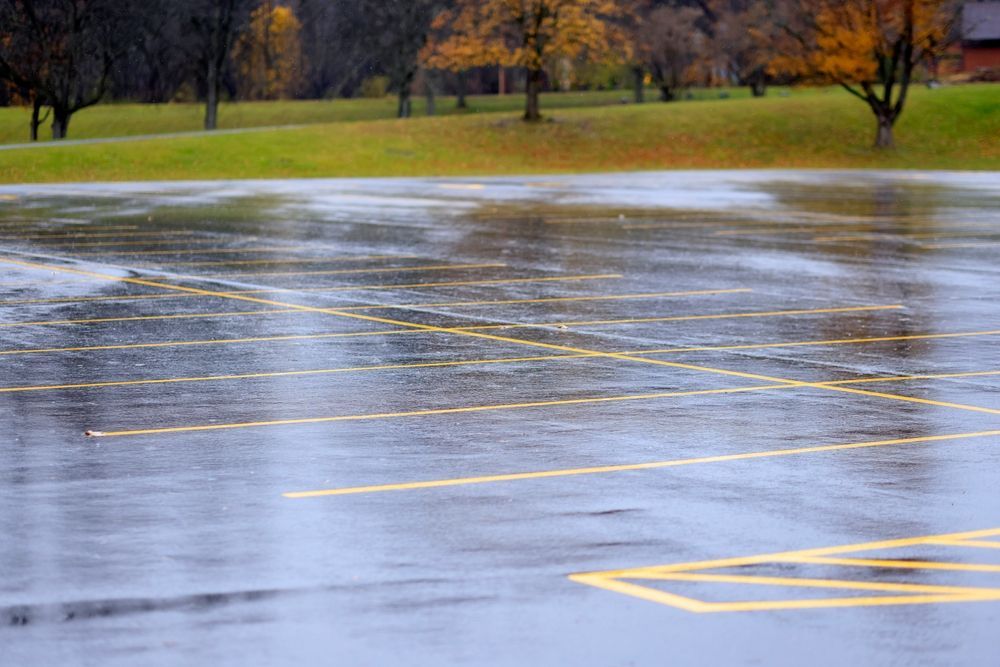
Water is one of the most significant threats to asphalt pavement. When water penetrates the surface, it can weaken the base and sub-base layers, causing the pavement to shift and crack. Sealcoating fills in surface voids and provides a waterproof barrier, preventing water from seeping into the underlying structure. This protection is especially important in areas with heavy rainfall or freeze-thaw cycles, where water damage can be more severe.
Shielding from UV Rays
The sun’s ultraviolet rays can cause the asphalt to dry out and become brittle. Over time, this leads to surface cracks and a faded appearance. Sealcoating acts as a sunscreen for your pavement, reflecting UV rays and keeping the asphalt flexible and intact. By preserving the pavement's elasticity, sealcoating helps prevent the formation of larger cracks and potholes.
Resistance to Oil and Chemical Spills
Oil, gasoline, and other chemicals can break down asphalt, leading to soft spots and surface erosion. These substances are commonly found on driveways and parking lots, making them particularly vulnerable. Sealcoating creates a protective layer that resists oil and chemical spills, preventing them from penetrating and damaging the asphalt.
Enhancing Curb Appeal
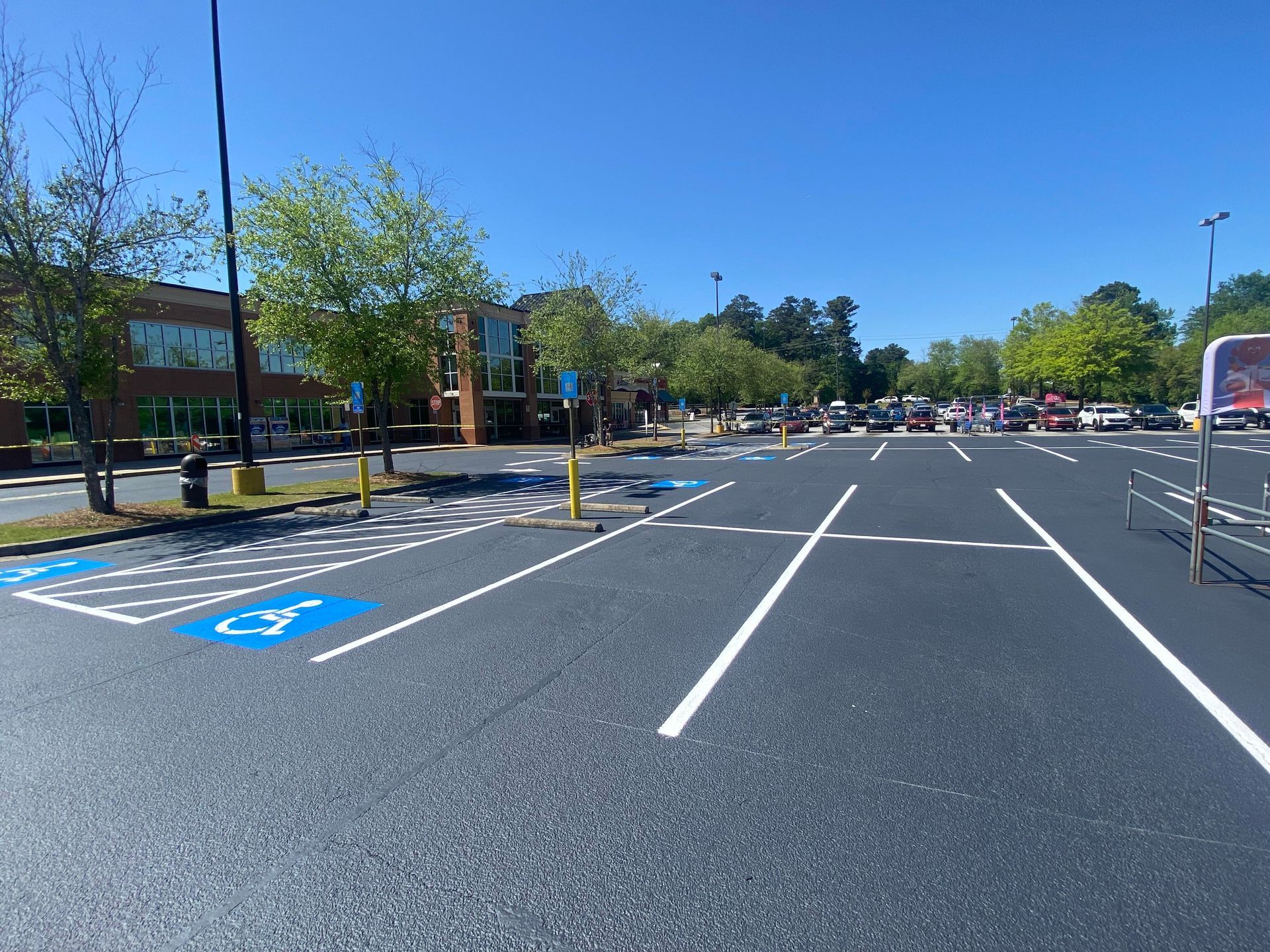
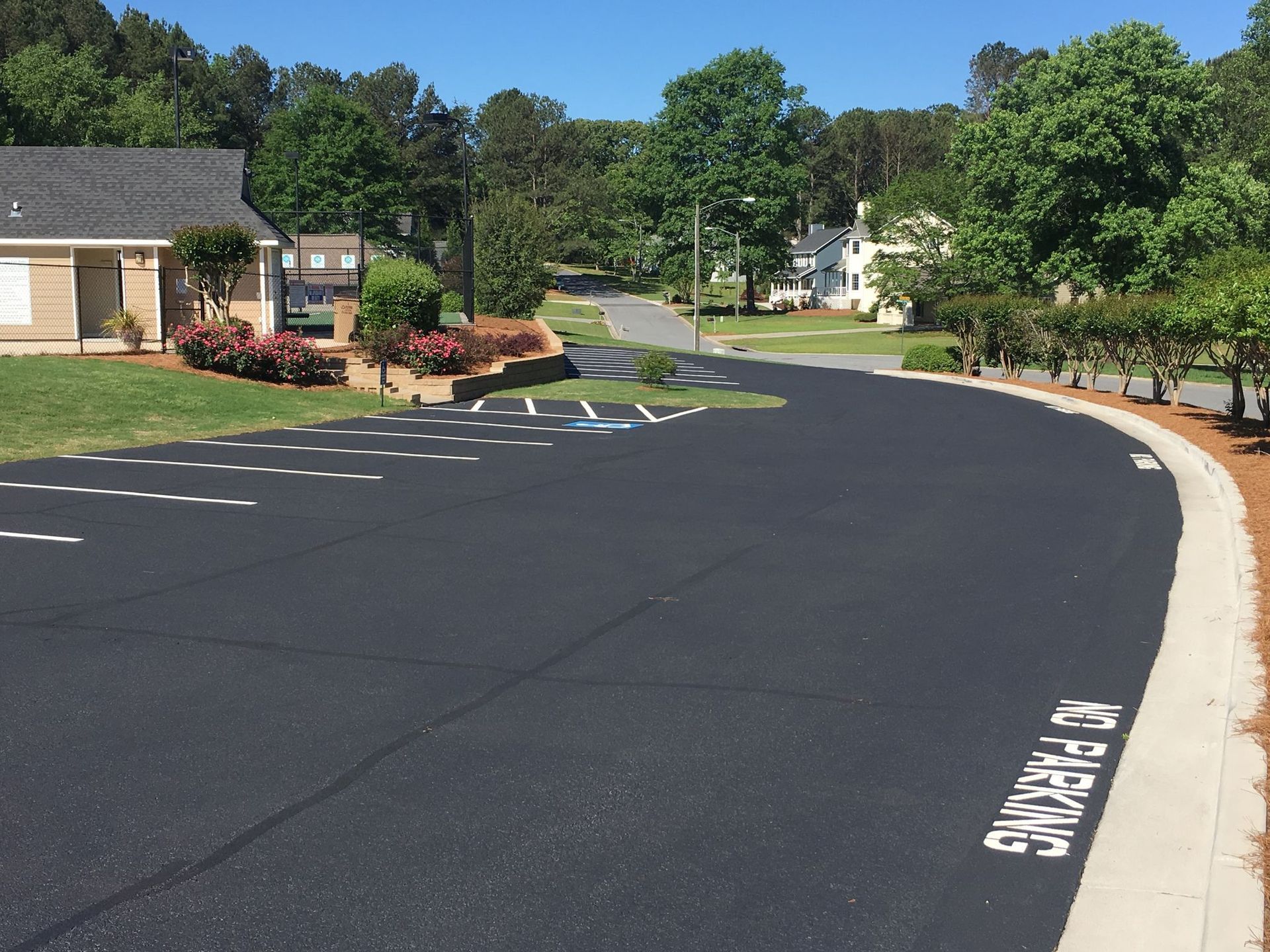
Beyond its protective benefits, sealcoating also improves the appearance of your pavement. A fresh sealcoat gives the asphalt a dark, uniform color, making it look new and well-maintained. This aesthetic boost can enhance the curb appeal of your property, whether it's a residential driveway or a commercial parking lot. An attractive, well-maintained pavement can make a positive impression on visitors, customers, and potential buyers.
Cost-Effective Maintenance
Investing in affordable paving & sealcoating services can save you money in the long run. Regular sealcoating extends the lifespan of your pavement, reducing the need for expensive repairs and replacements. The cost of sealcoating is significantly lower than the cost of major asphalt repairs or a full resurfacing project. By maintaining your pavement with routine sealcoating, you can avoid costly downtime and keep your property looking its best.
Working with Professional Asphalt Sealcoat Contractors
To achieve the best results, it’s essential to work with experienced asphalt sealcoat contractors. Professionals have the knowledge, equipment, and materials needed to apply the sealcoat correctly and efficiently. Here are a few reasons why hiring professionals is beneficial:
Proper Surface Preparation
Before applying the sealcoat, the pavement needs to be thoroughly cleaned and any existing cracks or potholes repaired. Professional asphalt sealcoat contractors use specialized equipment to clean the surface, ensuring that the sealcoat adheres properly. They also fill cracks and patch damaged areas, creating a smooth, even surface for the sealcoat application.
Quality Materials
Professional asphalt sealcoat contractors use high-quality sealcoating materials that offer superior protection and durability. These materials are formulated to withstand harsh weather conditions, heavy traffic, and chemical exposure. By using top-grade products, professionals ensure that your pavement receives the best possible protection.
Expert Sealcoat Application
Applying a sealcoat is a precise process that requires skill and experience. Professional asphalt sealcoat contractors know the correct techniques for applying an even, consistent layer of sealcoat. They also have the equipment to apply the sealcoat quickly and efficiently, minimizing disruptions to your property.
Maintenance Tips After Sealcoating
To maximize the benefits of sealcoating, it’s important to follow a few maintenance tips:
- Avoid Heavy Traffic: Keep vehicles and heavy equipment off the newly sealed surface for at least 24 to 48 hours to allow the sealcoat to cure properly.
- Regular Cleaning: Sweep and clean the pavement regularly to remove debris and prevent staining.
- Address Spills Promptly: Clean up oil, gasoline, and other chemical spills as soon as possible to prevent them from breaking down the sealcoat.
- Schedule Regular Sealcoating: Plan for periodic sealcoating every 2 to 3 years, depending on the level of traffic and environmental conditions.
Preserve Your Pavement with Professional Sealcoating
Sealcoating is a crucial step in maintaining your pavement’s lifespan, offering protection against water, UV rays, and chemical spills while enhancing its appearance. By investing in an affordable Atlanta paving service from professional contractors, you can ensure that your pavement remains durable and attractive for years to come.
Ready to protect your pavement and extend its lifespan? Contact The Paving Guys today for a consultation and see why we're the preferred choice for sealcoating and other paving services in Georgia. Let us help you make your property stand out with our professional and high-quality solutions.